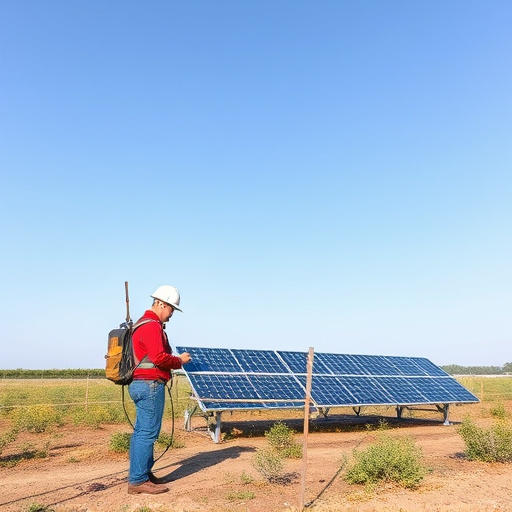
Ground-mounted solar power systems offer a flexible, efficient, and sustainable solution for properties with ample land. They maximize sunlight exposure, enable significant energy production, reduce carbon footprints, and can provide substantial long-term cost savings. Key benefits include increased system size, minimal maintenance, and a longer lifespan compared to rooftop installations. Proper site assessment, careful planning, compliance with local regulations, and engagement of professional installers are crucial for optimal performance and return on investment. Solar Power naturally contributes to both financial security and environmental sustainability.
As the world shifts towards cleaner energy sources, solar power has emerged as a viable solution for both residential and commercial applications. Among the various deployment strategies, ground-mounted systems offer significant advantages, especially for land-rich properties. This article delves into the benefits and considerations of implementing ground-mounted solar panels, providing an authoritative guide for property owners and stakeholders looking to harness the power of Solar Power naturally. By exploring the optimal utilization of available land, we can contribute to a sustainable future while maximizing energy independence.
- Understanding Ground-Mounted Solar Power Systems
- Benefits for Landowners: Unlocking Potential
- Site Assessment: Choosing the Right Location
- System Design and Installation Process
- Cost Considerations and Returns on Investment
- Maintenance and Long-Term Performance
Understanding Ground-Mounted Solar Power Systems
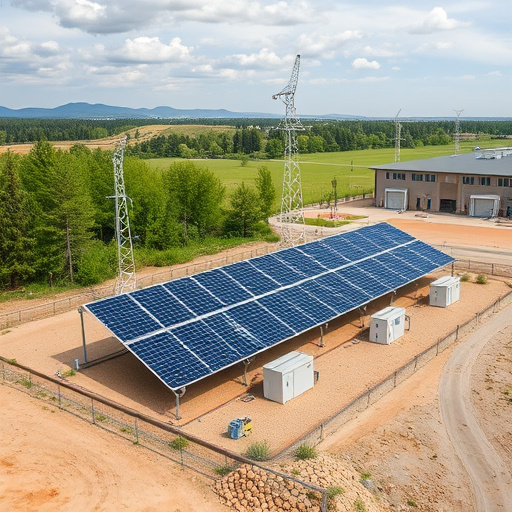
Ground-mounted solar power systems have emerged as a popular choice for homeowners with ample land, offering significant advantages in terms of energy production and cost savings. This type of system involves installing solar panels on the ground rather than on rooftops, providing a flexible and scalable solution for meeting diverse energy demands. The primary benefit lies in the accessibility and availability of space, especially on large properties where land is more abundant than rooftop area.
These systems are well-suited for agricultural lands, open spaces, or vacant lots, allowing for maximum exposure to sunlight. With proper orientation and inclination, ground-mounted panels can capture solar energy efficiently throughout the year. Many property owners opt for these installations to reduce their carbon footprint and electricity bills simultaneously. For instance, a large-scale ground-mounted project in [Location] has been estimated to provide clean energy equivalent to powering over 500 homes annually, showcasing its substantial potential.
Implementing such systems requires careful planning and consideration of local regulations. Permitting processes vary across regions, with some areas offering incentives or net metering policies to encourage the adoption of solar power. Property owners should consult local authorities and engage professional installers who can provide expert guidance tailored to their specific needs. By doing so, they can maximize the benefits of ground-mounted solar, ensuring a reliable and sustainable energy source for years to come.
Benefits for Landowners: Unlocking Potential

Ground-mounted solar power systems offer significant advantages for landowners looking to unlock their property’s full potential. With this approach, solar panels are installed on the ground rather than on rooftops or other structures. This versatility allows access to larger areas, which is particularly beneficial for land-rich individuals or entities with expansive stretches of open space. One of the key benefits lies in maximizing energy production; ground-mounted systems can accommodate a higher number of panels, leveraging more sunlight and thus increasing overall electricity generation.
Consider a large agricultural operation, for instance, where vast fields are already underutilized. Installing a ground-mounted solar farm can provide an additional revenue stream through the sale of excess energy back to the grid while still allowing for continued farming activities. According to a study by the International Renewable Energy Agency (IRENA), solar power generation from ground-mounted systems has seen steady growth, with technological advancements reducing costs and increasing efficiency over time. This trend is expected to continue as more landowners recognize the financial and environmental benefits of embracing renewable energy.
Implementing these systems also offers long-term stability and predictability for landowners. Unlike rooftop installations that may be affected by structural issues or limited space, ground-mounted systems can operate with minimal maintenance and a longer lifespan, providing a reliable source of clean energy. Landowners should consult with experienced solar developers who can assess their property’s suitability, design an optimized system, and offer tailored financial models to ensure the project aligns with their goals and budget. By embracing solar power, landowners not only contribute to a sustainable future but also reap the rewards of reduced energy costs and increased property value.
Site Assessment: Choosing the Right Location

Ground-mounted solar power systems offer a compelling solution for properties with ample land, maximizing the benefits of solar energy through strategic deployment. When considering ground-mounted systems, a thorough site assessment is paramount to ensure optimal performance and return on investment. This involves evaluating factors such as sunlight exposure, shading analysis, soil conditions, and environmental impact – all crucial elements in determining the suitability of a location for Solar Power generation.
For instance, a study by the National Renewable Energy Laboratory (NREL) found that locations with lower vegetation density and minimal building obstructions receive up to 25% more sunlight over the course of a year. Shading from trees, buildings, or other structures can significantly reduce solar panel efficiency, making a detailed analysis of site conditions essential. Furthermore, soil evaluations are critical for understanding load-bearing capacity and potential ground preparation requirements.
Site assessment should also consider local regulations and zoning laws, as permitting processes and restrictions on land use can vary widely between regions. Engaging with local authorities and solar energy experts early in the planning process ensures compliance and minimizes delays. By meticulously addressing these considerations, property owners can secure a robust foundation for their ground-mounted solar power system, paving the way for reliable and sustainable energy generation for years to come.
System Design and Installation Process

Ground-mounted solar power systems are an ideal solution for properties with ample land, offering a flexible and efficient way to harness Solar Power naturally. The design and installation process involves careful consideration of site-specific factors to maximize energy production. Experts recommend assessing the property’s sun exposure, shading potential, and available space to determine the most optimal system layout. For instance, large open fields or areas with minimal obstructions can accommodate larger arrays, while smaller sites may utilize more compact configurations.
The installation itself requires a multi-step approach. First, a thorough site analysis is conducted to map out the best placement for panels and associated equipment. This includes assessing the tilt angle and orientation of the panels relative to the sun’s path throughout the year. Once designed, specialized equipment such as mounting racks, inverters, and cables are installed. These components facilitate the connection of solar panels to the electrical grid, ensuring seamless integration into the property’s power supply. For instance, a 500kW ground-mounted system can offset approximately 400 metric tons of CO2 annually, providing both environmental benefits and significant energy cost savings for large-scale installations.
Best practices involve selecting high-quality components from reputable manufacturers to ensure longevity and performance. Regular maintenance checks are also crucial, as they help identify any issues early on. By adhering to these guidelines, property owners can maximize the return on their investment while contributing to a more sustainable future through Solar Power naturally.
Cost Considerations and Returns on Investment

Ground-mounted solar power systems offer significant advantages for land-abundant properties, providing a robust solution for energy generation. From an investment perspective, these systems have demonstrated substantial returns over the long term. The initial cost of installation can vary widely based on factors such as system size, equipment quality, and geographic location. However, with the rapid decline in solar panel prices and various government incentives, the financial barrier has significantly reduced, making it more accessible for property owners to adopt solar power.
A notable example is the growing trend among commercial farms and large-scale agricultural operations to install ground-mounted solar arrays. These installations not only offset energy costs but also contribute to a sustainable future by reducing reliance on fossil fuels. Studies have shown that well-designed solar systems can provide a substantial return on investment, often within 5–10 years, through reduced electricity bills and potential revenue from excess power generation. Moreover, as grid electricity prices rise, the savings and ROI can be even more pronounced over time.
Experts recommend a thorough site assessment to maximize energy production, considering factors like sunlight exposure, shading, and space availability. Proper planning ensures optimal system performance and enhances the overall investment viability. By harnessing the power of Solar Power, land owners can create a valuable asset that contributes to both financial security and environmental sustainability.
Maintenance and Long-Term Performance

Ground-mounted solar power systems, when installed on land-rich properties, offer a robust and sustainable solution for energy generation. One of the key advantages these systems hold is their long-term performance and relatively low maintenance requirements, making them an attractive option for property owners. This approach to solar power integration ensures a reliable and efficient energy supply for years to come.
Regular maintenance plays a pivotal role in maximizing the lifespan and efficiency of ground-mounted systems. Unlike rooftop installations that are more exposed to varying weather conditions, these systems are typically located in open areas, reducing the risk of damage from storms or extreme temperatures. As a result, they often require less frequent and intensive maintenance checks. A simple routine maintenance regimen includes inspecting panels for any signs of damage, cleaning to prevent dust and debris buildup, and ensuring proper drainage to mitigate water damage. Most ground-mounted systems come with a warranty that outlines specific maintenance expectations, providing owners with a clear framework. For instance, a study by the Solar Energy Industries Association (SEIA) revealed that properly maintained ground-mounted systems can operate at 90% of their original capacity after 25 years, underscoring their longevity.
Long-term performance is a critical aspect that sets ground-mounted systems apart. With advancements in solar technology, panels are now more efficient and durable. Regular monitoring and maintenance, coupled with modern system designs, enable these installations to produce clean energy consistently over extended periods. Property owners can expect significant savings on their energy bills, as well as reduced carbon footprints, contributing to a more sustainable future. For example, a large-scale ground-mounted solar farm in California, upon completion, demonstrated an average annual energy output of 2.5 GW·h, highlighting the consistent and substantial power generation capabilities of these systems.
To ensure optimal performance and maintenance, property owners should consider engaging professional solar installers who can provide guidance tailored to their specific location and system size. Regular communication with these experts enables proactive management, ensuring the system operates at peak efficiency for years to come. By prioritizing maintenance and understanding the advanced capabilities of ground-mounted solar power systems, property owners can fully leverage this renewable energy source.
Ground-mounted solar power systems offer a compelling solution for landowners with ample land resources, unlocking significant potential for clean energy generation. Through careful site assessment and strategic system design, property owners can maximize their investment while contributing to a sustainable future. By understanding the benefits, cost considerations, and long-term performance, individuals and businesses alike can make informed decisions to harness the power of Solar Power naturally. This article has provided a comprehensive overview, enabling readers to navigate the landscape of ground-mounted systems with confidence, ready to capitalize on the advantages this renewable energy source offers.