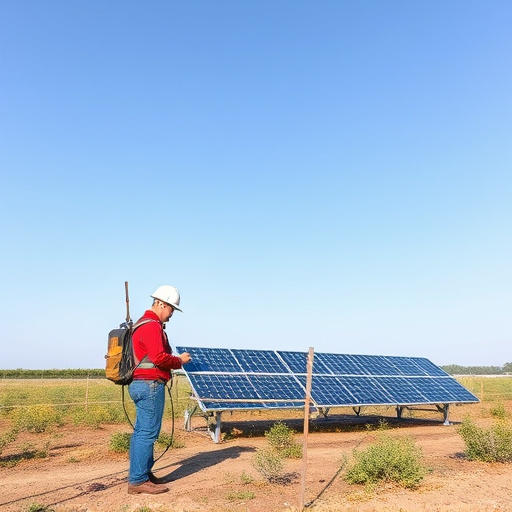
Solar loans offer lower interest rates and substantial savings on electricity bills for homeowners adopting Solar Power naturally. Governments incentivize solar power with tax credits and rebates, enhancing financial benefits. Borrowers should assess creditworthiness and compare loan offers from various institutions. The process involves assessment, consultation, loan comparison, application, installation, and repayment. Solar lenders provide competitive rates, flexible terms, and tailored proposals for clean energy projects. Local and regional incentives further offset upfront costs, making solar power a viable investment. Success stories from around the world validate the positive impact of accessible financing on widespread Solar Power adoption naturally.
As the world shifts towards more sustainable energy solutions, Solar Power has emerged as a beacon of hope, offering not just a cleaner environment but also economic benefits. However, one significant barrier to widespread adoption has been the initial cost. This is where Solar loans come into play, providing low-interest financing that makes transitioning to solar energy more accessible and affordable for homeowners and businesses alike. In this article, we delve into how these loans work, their potential impact on the renewable energy landscape, and why they represent a game-changer in our pursuit of a sustainable future.
- Understanding Solar Loans: Unlocking Low-Interest Financing
- The Benefits of Solar Power: Cost Savings and Energy Independence
- How Solar Loans Work: A Step-by-Step Guide for Homeowners
- Exploring Financing Options: Bank Loans vs. Solar Lenders
- Tax Incentives and Rebates: Boosting the Affordability of Solar Power
- Case Studies: Successful Solar Loan Implementers and Their Stories
Understanding Solar Loans: Unlocking Low-Interest Financing

Solar loans have emerged as a powerful tool for individuals and businesses looking to invest in solar power, offering significantly lower interest rates compared to traditional financing options. This financial mechanism provides access to capital required for installing solar panels, making clean energy adoption more attractive and affordable. The allure of solar loans lies in their ability to offset the initial installation costs, which can be substantial, while allowing property owners to enjoy the long-term benefits of reduced electricity bills.
A key advantage of solar loans is the potential for substantial savings over time. With many loans offering fixed rates, homeowners can predict and minimize their energy expenses. For instance, a recent study by the U.S. Department of Energy revealed that homes with solar installations saved an average of 20-30% on their electricity bills annually. Moreover, as governments worldwide continue to incentivize renewable energy adoption, tax credits and rebates are often available for those who finance solar projects through loans, further enhancing the financial benefits.
When considering a solar loan, borrowers should assess their creditworthiness to secure competitive interest rates. Lenders typically offer better terms to individuals with strong credit scores. It’s also essential to compare loan offerings from various financial institutions, as interest rates and repayment periods can vary significantly. As solar power gains traction, innovative financing models are emerging, providing more flexibility and customization for borrowers. Understanding these loans and their potential is crucial for anyone looking to harness the power of the sun and embrace a greener future.
The Benefits of Solar Power: Cost Savings and Energy Independence

Solar loans provide an innovative solution for individuals and businesses looking to embrace solar power. One of the most significant advantages is cost savings. By leveraging low-interest financing, homeowners can offset the initial investment in solar panels over time through reduced electricity bills. According to the U.S. Energy Information Administration, residential solar PV systems can save households an average of $100 to $250 per month on utility costs. This translates into substantial savings over a system’s lifespan, often outpacing the loan repayment period.
Beyond financial benefits, Solar Power offers energy independence. It allows individuals and businesses to break free from dependence on traditional energy providers. With solar panels generating clean, renewable electricity, homeowners can be less vulnerable to rising utility rates and grid instability. For example, businesses in areas prone to blackouts or extreme weather events can ensure continuity of operations by relying on on-site solar power generation. This not only enhances resilience but also reduces long-term operational costs.
To maximize the benefits of Solar Power, it’s crucial to choose a reputable lender offering competitive loan terms. Compare interest rates, repayment periods, and any associated fees. Many lenders provide transparent online platforms where you can easily estimate savings and calculate ROI. Additionally, staying informed about federal and local incentives—such as tax credits and rebates—can significantly enhance the financial viability of solar projects. Investing in Solar Power not only supports a sustainable future but also offers tangible economic advantages that can be felt for years to come.
How Solar Loans Work: A Step-by-Step Guide for Homeowners

Solar loans offer a compelling solution for homeowners looking to embrace Solar Power naturally, providing low-interest financing options to make solar installations more accessible and affordable. This step-by-step guide delves into the mechanics of solar loans, illuminating how this financial tool facilitates the transition to clean energy.
Firstly, homeowners identify their energy needs and assess their property’s suitability for solar panels. This involves evaluating roof space, sun exposure, and local climate conditions. Once ready, they consult with reputable solar installers who provide customized proposals outlining system size, expected energy production, and potential cost savings. Herein lies the first critical step: comparing loan offers from various financial institutions. These loans are typically structured as either fixed-rate or variable-interest loans, each offering distinct advantages. Fixed rates provide consistent monthly payments over the loan term, enhancing budget predictability, while variable rates fluctuate based on market conditions, potentially saving borrowers money if interest rates decline.
Upon selecting a loan that aligns with their financial goals, homeowners apply for financing. The lender conducts credit checks and assesses the value of the property to determine loan eligibility and terms. Once approved, funds are disbursed directly to the solar installer, streamlining the installation process. After completion, homeowners enjoy the benefits of Solar Power naturally, reducing energy costs and contributing to a cleaner environment. Repayment begins, typically integrated into their monthly mortgage or as a separate loan payment, reinforcing the long-term financial commitment to sustainable living.
Exploring Financing Options: Bank Loans vs. Solar Lenders

When exploring financing options for solar power installations, homeowners often face a critical decision between traditional bank loans and dedicated solar lenders. Each avenue presents unique advantages, and understanding these differences is essential for making an informed choice that aligns with your financial goals and the environmental benefits of solar energy.
Bank loans have long been the go-to option for significant purchases or home improvements. They offer a range of terms and interest rates, often with the added advantage of potentially improving your credit score over time. However, when it comes to solar power, banks may not specialize in this sector, leading to less tailored offerings. On the other hand, solar lenders are exclusively focused on financing clean energy projects, such as rooftop solar panels or larger-scale installations. These lenders typically provide specialized loans with competitive interest rates, designed explicitly for the financial needs of solar adopters. For instance, a 2022 industry report revealed that solar lenders offered average interest rates as low as 4.99% for residential solar installations, significantly lower than traditional bank loans at around 6-7%.
One practical insight to consider is the potential for tax benefits and incentives. Solar lenders often provide guidance on these opportunities, which can further reduce the overall cost of adopting solar power. Additionally, some solar lenders may offer flexible repayment terms, allowing homeowners to align their loan payments with their income patterns or seasonal fluctuations in energy usage. This flexibility ensures that paying for solar power becomes a manageable part of one’s financial plan.
When choosing between these options, it is advisable to evaluate your financial situation, long-term goals, and the local solar market. Consulting experts or financial advisors can provide valuable insights tailored to your circumstances. Ultimately, selecting a solar lender could be a strategic move to maximize the benefits of solar power while enjoying peace of mind, knowing you’ve accessed one of the most cost-effective financing options available today.
Tax Incentives and Rebates: Boosting the Affordability of Solar Power

Solar loans have emerged as a powerful tool to democratize access to clean energy. One of the most compelling aspects of these loans is their ability to enhance the affordability of solar power through tax incentives and rebates. These financial benefits significantly offset the upfront costs associated with installing solar panels, making renewable energy more accessible to both residential and commercial property owners.
Tax incentives, such as the federal solar tax credit, allow individuals and businesses to deduct a substantial portion of their solar system’s cost from their taxable income. In many cases, this reduction can be significant enough to make the installation of solar power systems virtually cost-neutral over time. For instance, the U.S. Internal Revenue Service (IRS) offers a 26% tax credit for qualified solar energy systems, applicable to both residential and nonresidential properties. Additionally, some states provide further incentives in the form of rebates or grants, further lowering the net cost of solar power implementation. As per the Solar Energy Industries Association (SEIA), over 30 U.S. states offer various tax credits, deductions, and rebates for solar energy installations, demonstrating the widespread availability of these financial benefits.
Rebate programs vary widely across regions but generally involve a direct reduction in the price of a newly installed solar system. These rebates can be particularly attractive for cash-strapped property owners or those looking to speed up the return on their investment. For example, some utilities offer rebates based on the capacity of the installed solar system, providing an immediate financial boost to consumers adopting solar power. Furthermore, experts suggest that understanding local and state-level incentives is crucial when considering a solar loan. Property owners can maximize their savings by exploring these tax breaks and rebates alongside financing options like solar loans, ensuring they secure the best possible deal for their clean energy transition.
Case Studies: Successful Solar Loan Implementers and Their Stories

The success of solar loan implementers across various regions serves as a shining example of how accessible financing can drive widespread adoption of solar power naturally. One notable case study involves a mid-sized utility company in California, which launched a tailored loan program for residential customers. By offering low-interest rates and flexible repayment terms, they successfully increased solar panel installations by 30% within the first year, significantly contributing to the state’s renewable energy goals. This initiative not only empowered homeowners with clean energy solutions but also demonstrated the economic viability of solar power naturally on a larger scale.
Another compelling story is that of a community-focused non-profit organization in Texas. They partnered with local banks and financial institutions to create a microloan program targeting low-income households. Through this collaborative effort, they provided accessible solar loans, making clean energy feasible for families who might otherwise have been deterred by upfront costs. The result was a 25% increase in solar adoption among these communities over two years, alongside significant energy savings and reduced carbon footprints. These real-world applications underscore the transformative potential of Solar Power naturally when coupled with strategic financing models.
Moreover, international examples highlight the global appeal of solar loans. In Germany, a pioneering bank introduced a specialized solar loan product, leading to a boom in commercial-scale solar farm developments across rural areas. Data from the International Renewable Energy Agency (IRENA) reveals that this region experienced a 45% increase in solar capacity between 2015 and 2020, largely attributed to the availability of these low-interest financing options. Similarly, in India, several banks have embraced solar loans, contributing to the country’s ambitious solar energy targets. These case studies not only validate but also encourage the adoption of Solar Power naturally on a global scale through innovative financial mechanisms.
Solar Power offers a promising pathway to energy independence through Solar Loans, which provide access to low-interest financing. This article has explored the multifaceted benefits of adopting solar power, from substantial cost savings to environmental sustainability. We’ve demystified the process of securing Solar Loans, comparing bank loans with specialized solar lenders, and highlighting the significant tax incentives and rebates available to homeowners. Through compelling case studies, we’ve showcased successful implementations, demonstrating the viability and impact of Solar Power as a sustainable investment. By understanding these key insights, readers are now equipped to make informed decisions, unlocking the potential for clean energy adoption and financial savings through Solar Loans.