Solar Power: Harnessing the Sun’s Energy for a Sustainable Future
Introduction
Solar power stands at the forefront of renewable energy technologies, offering a clean, abundant, and increasingly accessible source of electricity. This article delves into the intricacies of solar power, from its scientific principles to its global impact, economic benefits, technological advancements, policy frameworks, and future prospects. By exploring these facets, readers will gain a comprehensive understanding of how solar power is reshaping our energy landscape and what it means for the planet’s sustainability.
Understanding Solar Power
Solar power is the conversion of sunlight into electricity using photovoltaic (PV) cells or solar thermal collectors. It is a technology that has been harnessed for decades but has gained significant traction in recent years due to advancements in efficiency, cost reduction, and environmental concerns. The core components of solar power systems include solar panels, inverters, batteries for energy storage, and the grid connection for distribution.
Historically, solar power’s relevance began with simple applications like calculators and satellites. However, its significance has expanded as the world seeks sustainable alternatives to fossil fuels. Solar power is a key player in the transition towards a low-carbon economy, with the potential to provide clean energy accessibly and at scale.
Global Impact and Trends
The global impact of solar power is monumental, with its adoption affecting every continent. The International Energy Agency (IEA) reports that solar power capacity has been growing at an unprecedented rate, outpacing all other forms of energy globally. This growth is driven by declining costs, technological improvements, and supportive policies in many countries.
In regions like Europe, Germany has led the way with significant investments in solar infrastructure, while countries like China and the United States have made massive strides in both installations and technological innovation. Australia, with its high solar irradiance, has also embraced solar power, integrating it into both urban and rural energy systems.
Economic Considerations
The economic implications of solar power are multifaceted. It presents opportunities for investment and job creation in the manufacturing, installation, and maintenance sectors. The solar industry has become a significant economic driver, with markets experiencing both growth and volatility.
Investment patterns reflect a global shift towards renewables, with solar power attracting substantial funding. The cost-effectiveness of solar power is evident in its competitive pricing against fossil fuels, leading to increased adoption by consumers and businesses alike. Solar power’s role in economic systems is also transformative, as it can reduce energy import bills for countries that traditionally rely on fuel imports.
Technological Advancements
Technological advancements have been pivotal in the evolution of solar power. Innovations like bifacial solar panels, which capture sunlight from both sides, and perovskite solar cells, known for their high efficiency and lower production costs, are on the horizon. Perovskite solar cells have the potential to reach efficiencies beyond 25%, surpassing today’s silicon-based cells.
Moreover, advancements in energy storage solutions, such as lithium-ion batteries and flow batteries, have made it possible to store solar energy for use when sunlight is not available, thus enhancing the reliability of solar power systems. The integration of artificial intelligence (AI) and machine learning (ML) in solar energy management further optimizes performance and maintenance.
Policy and Regulation
The regulatory framework for solar power varies by region but is increasingly supportive. Policies like net metering, feed-in tariffs, and tax incentives have been instrumental in promoting solar adoption. The United States Federal Solar Tax Credit (ITC) has significantly accelerated the deployment of solar systems across the country.
International agreements, such as the Paris Agreement, also influence policy by setting targets for reducing greenhouse gas emissions, with solar power being a key solution for many countries. Regulatory bodies worldwide are working to ensure that policies facilitate a just transition towards renewable energy sources, including solar.
Challenges and Criticisms
Solar power faces several challenges, including intermittency, the need for significant land use, supply chain dependencies, and the degradation of solar panels over time. Critics also point to the environmental impact of solar panel production and disposal.
To address these issues, strategies such as developing more efficient energy storage systems, optimizing land use through agrivoltaic systems, ensuring ethical and sustainable supply chains, and creating recycling programs for solar panels are essential. Investments in research and development can also lead to breakthroughs that mitigate the degradation of solar panels.
Case Studies
Several case studies exemplify the successful application of solar power. The Nellis Solar Power Plant in Nevada, USA, one of the world’s largest, showcases large-scale solar energy production. Germany’s rooftop solar revolution has transformed neighborhoods into microgrids, demonstrating the viability of distributed generation.
India’s Kutch district is another notable case, where a large-scale solar park coexists with a salt pan farm, illustrating the potential for sustainable land use practices in solar development. These examples highlight the versatility and adaptability of solar power technologies.
Future Prospects
The future of solar power is promising, with the potential to become the dominant source of energy globally. Technological advancements are expected to continue enhancing efficiency and reducing costs. The integration of solar power with other renewable sources, such as wind and hydroelectricity, will be key to creating a sustainable and resilient energy system.
The rise of solar power will also have significant social implications, including improved energy access in remote areas and the potential for economic empowerment in developing countries. As solar technology advances, it may play a crucial role in achieving global sustainability goals.
Conclusion
Solar power is a transformative technology with the potential to reshape our energy landscape, promote economic growth, and protect the environment. Its multifaceted impact touches on economic, social, and environmental spheres, making it a cornerstone of sustainable development. As the world continues to grapple with climate change and the need for clean energy solutions, solar power stands out as a viable and increasingly accessible option for the future.
As global adoption of solar power surges, so does the risk of cybersecurity threats targeting smart inverters—essential components that convert DC to AC energy. These internet-connected devices, while enabling efficient energy management, are vulnerable to hacking and malware, potentially causing disruptions, financial losses, and safety risks for communities relying on renewable energy. To mitigate these risks, robust security measures like encryption, authentication protocols, software updates, firewalls, intrusion detection/prevention systems (IDS/IPS), multi-factor authentication (MFA), regular security audits, and vulnerability assessments are paramount to ensuring the safety and efficiency of solar power systems worldwide.
In the rapidly growing solar power sector, understanding the cybersecurity of smart inverters is crucial. These devices, integral to solar energy production, are increasingly targeted by cyber threats due to their connectivity and vulnerability to malicious attacks. This article delves into the world of Solar Cybersecurity, exploring the unique risks posed to smart inverters and offering practical strategies for protection in an ever-evolving digital landscape.
We’ll examine the rising threat of cyberattacks on renewable energy infrastructure and provide essential best practices to safeguard these vital components of our sustainable future.
Understanding Solar Inverters and Their Cyber Vulnerability
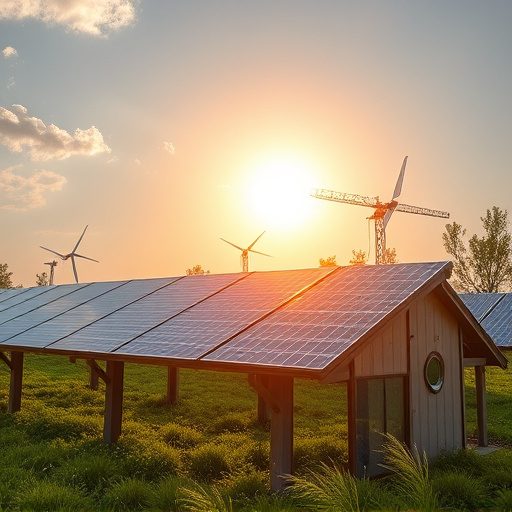
Solar inverters play a critical role in solar power systems, converting the direct current (DC) energy produced by solar panels into alternating current (AC) that can be used in homes and businesses. As the adoption of solar power continues to grow globally, these devices are becoming increasingly targeted by cybercriminals due to their growing importance in the digital grid infrastructure.
The rise of smart inverters, equipped with advanced features like remote monitoring and control capabilities via the internet, has introduced new avenues for potential security breaches. These connected devices can be vulnerable to hacking attempts, malware injection, or unauthorized access, which could disrupt power supply, steal sensitive data, or even allow malicious actors to take control of entire solar farms. Understanding these cyber vulnerabilities is essential to developing robust security measures that safeguard both individual systems and the broader electricity network.
The Rising Threat of Solar Cybersecurity Attacks
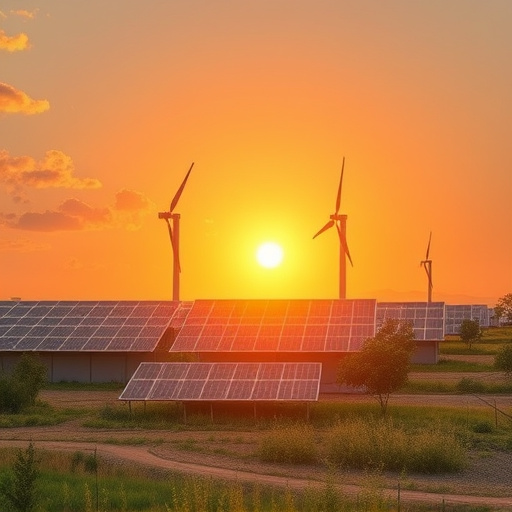
As the adoption of solar power continues to grow globally, so does the potential for cybersecurity threats targeting these systems. Smart inverters, which play a crucial role in managing and optimizing solar energy production, have emerged as attractive targets for malicious actors. These devices, connected to the internet and equipped with sophisticated software, offer both opportunities for efficient energy management and vulnerabilities that can be exploited.
The rising threat of Solar Cybersecurity attacks is not to be understated. Hackers can potentially gain unauthorized access to these systems, compromising their integrity and reliability. Such attacks could lead to significant disruptions in power generation, financial losses, and even pose risks to the safety and well-being of individuals and communities dependent on solar energy. In today’s interconnected world, safeguarding smart inverters is essential to ensure the security and stability of renewable energy infrastructure.
Protecting Smart Inverters: Strategies and Best Practices
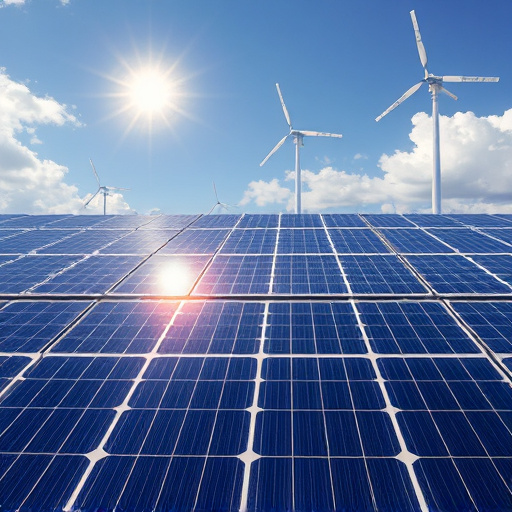
Protecting smart inverters is a critical component of ensuring the security and reliability of solar power systems. As these devices become more interconnected, they open up new attack vectors for cybercriminals. Implement robust security measures such as encryption, strong authentication protocols, and regular software updates to fortify against potential threats. Monitoring network traffic for anomalies can also help detect and respond to malicious activities swiftly.
Best practices include configuring firewalls to restrict unauthorized access, employing intrusion detection systems (IDS) and intrusion prevention systems (IPS) to identify and mitigate threats in real-time, and training personnel on cybersecurity best practices. Additionally, implementing multi-factor authentication (MFA) adds an extra layer of security, ensuring that only authorized individuals can access sensitive system components. Regular security audits and vulnerability assessments are essential to continuously evaluate and improve the overall security posture of solar power systems.
As we look towards a more sustainable future powered by solar energy, safeguarding smart inverters from cybersecurity threats becomes increasingly vital. The rise of connected devices in the solar landscape presents both opportunities and challenges, emphasizing the need for robust security measures. By implementing the strategies and best practices outlined in this article, solar power providers can better protect their systems, ensuring the reliability and resilience of their renewable energy infrastructure. Embracing proactive cybersecurity approaches is essential to fostering a secure and thriving solar power industry.