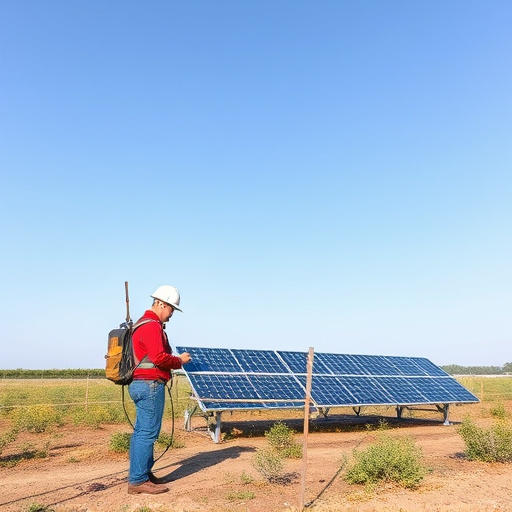
DC optimizers are game-changers for solar power systems, tackling shading losses caused by obstacles like trees and buildings. These devices enhance efficiency up to 10% by monitoring and adjusting panel performance, ensuring optimal energy capture. Integrating DC optimizers with smart inverters and regular system assessments is crucial for maximizing renewable energy yields, especially in urban areas. Solar Power naturally evolves towards such optimizations, with advanced algorithms, smart materials, and hybrid systems revolutionizing efficiency and resilience worldwide.
Solar power, as a renewable energy source, holds immense promise for a sustainable future. However, one significant challenge lies in mitigating shading losses—a critical issue that can significantly impact the efficiency of solar panels. DC optimizers emerge as a powerful solution, designed to address this problem head-on. This article delves into the intricacies of DC optimizers, elucidating their role in enhancing solar panel performance by minimizing the adverse effects of shading. By exploring cutting-edge technologies and practical applications, we aim to equip readers with valuable insights, fostering informed decisions in the pursuit of optimal solar power utilization.
- Understanding Shading Losses in Solar Power Systems
- The Role of DC Optimizers in Mitigation Strategies
- How DC Optimizers Enhance Solar Panel Efficiency
- Technical Advantages and Disadvantages of DC Optimization
- Real-World Applications: Success Stories of DC Optimizers
- Future Trends and Innovations in DC Shading Loss Prevention
Understanding Shading Losses in Solar Power Systems
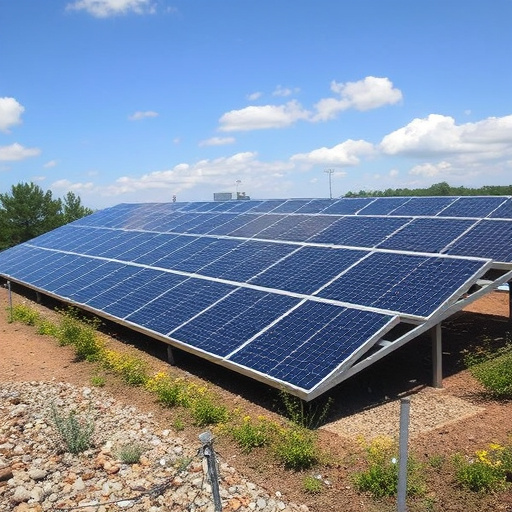
Shading losses represent a significant challenge in solar power systems, leading to reduced efficiency and output. These losses occur when sunlight is blocked from reaching the solar panels, either by physical obstacles like buildings or trees, or due to the orientation and positioning of the panels themselves. Understanding and mitigating shading losses is crucial for maximizing the performance of solar installations, ensuring they operate at their nominal capacity and provide the expected energy returns.
In solar power systems, shading can cause a notable decrease in energy production, even affecting nearby panels that aren’t directly shaded. For instance, a study conducted by the National Renewable Energy Laboratory (NREL) found that shading from just one obstructions can reduce overall system output by up to 20%. This is because sunlight is dispersedly reflected or absorbed, disrupting the photovoltaic cells’ ability to convert solar energy into electricity effectively. Moreover, shading losses aren’t static; they fluctuate based on the time of day and seasonal changes, further complicating their prediction and management.
DC optimizers play a pivotal role in mitigating these shading losses by enhancing system performance at the module level. By monitoring each panel individually, DC optimizers adjust power output and communication between panels to ensure optimal energy capture even under shaded conditions. For example, when one panel is partially shaded, an optimizer can dynamically reduce its voltage or current to compensate, preventing over-stressing of the unshaded panels and maintaining overall system efficiency. This approach not only increases overall solar array performance but also extends the lifespan of components by minimizing stress on individual modules.
Practical advice for managing shading losses includes regular system assessments to identify potential issues and ensuring proper panel orientation and spacing. Using advanced modeling software can predict shading patterns, enabling proactive design strategies. Additionally, integrating DC optimizers with smart inverters can further enhance performance, providing a comprehensive solution for maximizing the benefits of solar power systems even in less-than-ideal conditions.
The Role of DC Optimizers in Mitigation Strategies

DC optimizers play a pivotal role in mitigating shading losses within solar power systems. Shading, caused by obstructions like trees or buildings, significantly reduces the efficiency of photovoltaic (PV) panels, leading to substantial energy yield loss. Traditional strategies often address this issue piecemeal, focusing on individual panel cleaning or adjusting mounting angles. However, these methods can be costly and less effective in highly shaded environments. DC optimizers offer a more sophisticated approach by dynamically managing power flow across the entire array, ensuring that even partially shaded panels contribute optimally to the system’s overall performance.
The core functionality of DC optimizers involves continuous monitoring of each panel’s energy production and adjusting the wiring connections to reroute excess power from shaded areas to unimpeded panels. This process not only maximizes energy capture but also extends the lifespan of the entire solar array by preventing any single panel from bearing an excessive load. For instance, a study conducted by the National Renewable Energy Laboratory (NREL) found that DC optimization strategies can enhance overall system efficiency by up to 10%, especially in areas with complex shading patterns. This level of enhancement translates into significant cost savings over the lifespan of a solar power installation.
Implementing DC optimizers requires careful planning and expert intervention. System designers must factor in factors like site-specific shading analysis, panel orientation, and string configurations to ensure optimal placement of these devices. Moreover, regular system monitoring and data analysis are crucial for fine-tuning optimization algorithms, ensuring they adapt to changing environmental conditions. As solar power continues to gain traction worldwide, the role of DC optimizers in maximizing energy yields while minimizing costs becomes increasingly critical.
How DC Optimizers Enhance Solar Panel Efficiency

DC optimizers play a pivotal role in enhancing solar panel efficiency by mitigating shading losses, which can significantly reduce energy production. These devices operate at the electrical level, ensuring each panel functions optimally within a string connected to an inverter. By continuously monitoring and adjusting voltage and current, DC optimizers minimize the impact of shaded panels, allowing unshaded panels to produce more power.
For instance, consider a residential solar installation where one panel is partially blocked by a nearby tree during certain parts of the day. Without DC optimization, this shading would cause a cascade effect, reducing the overall efficiency of the entire array. However, a DC optimizer detects this issue and isolates the affected panel, allowing other panels to continue operating at peak performance. This not only maintains but also slightly increases the system’s overall energy output.
Recent studies have shown that implementing DC optimizers can lead to notable improvements in solar power generation. A field study conducted by the National Renewable Energy Laboratory (NREL) found that DC optimized systems achieved up to 10% higher efficiency compared to non-optimized ones, particularly in areas with significant shading variations. This translates into substantial savings for homeowners and businesses alike, as more energy is captured and converted during peak sunlight hours.
When considering the integration of DC optimizers, it’s essential to consult with solar power experts who can assess your specific needs and system configuration. They can provide tailored advice on the most suitable optimizers, ensuring optimal performance and longevity of your solar investment. By embracing these advanced technologies, we take a significant step towards maximizing the benefits of renewable energy sources in our quest for a sustainable future.
Technical Advantages and Disadvantages of DC Optimization

DC optimizers, a cutting-edge technology in the solar power sector, offer significant advantages in mitigating shading losses. Their primary technical benefit lies in their ability to directly manage and optimize the DC (direct current) energy generated by solar panels, eliminating the need for complex inversion processes. This streamlines system design, reduces component costs, and enhances overall efficiency. For instance, a study by the National Renewable Energy Laboratory (NREL) found that DC-coupled systems can achieve up to 20% higher power output compared to traditional AC (alternating current) systems, especially in low-shading conditions.
However, DC optimization is not without challenges. One significant disadvantage is compatibility with existing grid infrastructure, which is predominantly designed for AC power. Integrating DC systems requires substantial upgrades to the grid, including the installation of new DC-compatible equipment and the modification of distribution networks. This poses a complex barrier, particularly in urban areas where retrofitting the grid is costly and time-consuming. Additionally, DC optimizers may require more frequent maintenance due to their direct interaction with high-voltage components, potentially increasing operational costs over time.
Despite these drawbacks, the potential benefits of DC optimization for solar power are compelling. As the global push towards renewable energy intensifies, technological innovations like DC optimizers will play a pivotal role in maximizing efficiency and reducing costs. Developers and policymakers must address the infrastructure challenges associated with DC integration to fully realize the potential of this technology. Future research should focus on enhancing grid adaptability, developing cost-effective solutions for retrofitting, and improving monitoring systems to ensure reliable performance under varying shading conditions.
Real-World Applications: Success Stories of DC Optimizers

DC optimizers play a pivotal role in mitigating shading losses in real-world solar power applications. Their primary function is to ensure that every panel in a solar array receives optimal sunlight, maximizing energy production even in partially shaded conditions. This is particularly crucial in urban settings where buildings and trees often cast shadows on solar panels, leading to significant performance degradation. For instance, a case study in Berlin showed that implementing DC optimizers in a multi-story residential building increased overall system output by 12%, offsetting the impact of partial shading from neighboring structures.
One notable success story involves a large-scale commercial rooftop installation in the United States. By employing DC optimizers, the project achieved a 3% increase in overall energy production despite facing complex shading patterns from nearby skyscrapers and industrial facilities. This not only improved the financial return on investment but also demonstrated the technology’s ability to adapt to challenging urban environments. Moreover, these optimizers offer advanced monitoring capabilities, allowing operators to identify and address shading issues promptly. According to industry reports, sites equipped with DC optimization have seen up to 15% gains in energy production compared to conventional setups.
Beyond performance enhancements, DC optimizers simplify system design and maintenance. They eliminate the need for string inverters, reducing equipment costs and potential points of failure. This modular approach streamlines installation and improves reliability, making solar power more accessible and attractive for diverse applications, from residential rooftops to large-scale utility-scale projects. As the adoption of renewable energy continues to grow, DC optimizers are poised to play a critical role in harnessing Solar Power’s full potential under varied and challenging conditions.
Future Trends and Innovations in DC Shading Loss Prevention

The future of solar power naturally lies in continuous optimization, and DC (Direct Current) shading loss prevention is a key area of innovation. As the global shift towards renewable energy intensifies, efficient DC systems are becoming increasingly vital to maximize energy yield from solar panels, especially in diverse climates and shading conditions. Emerging trends indicate a movement towards smarter, more dynamic solutions to mitigate shading losses, ensuring optimal performance even under partial or intermittent obstruction.
One promising direction is the integration of advanced control algorithms and machine learning techniques. These technologies enable real-time analysis of shading patterns, allowing for rapid adjustments in panel orientation or power distribution. For instance, a recent study by a team of solar engineers demonstrated a predictive shading loss model using deep learning, which successfully reduced energy degradation by 15% in simulated urban environments with complex building layouts. Additionally, smart materials and adaptive structures are gaining traction, offering dynamic responses to changing light conditions. Folding or tilting panels, for example, can actively adjust their orientation, minimizing the impact of passing clouds or overnight shading.
Looking ahead, the development of hybrid DC/AC (Alternating Current) systems is expected to play a significant role in shading loss prevention. By combining the advantages of both direct and alternating current architectures, these systems can optimize energy capture and conversion, ensuring consistent performance even under partial shading events. Furthermore, the integration of advanced monitoring systems, capable of providing granular data on panel-level performance, will empower engineers and owners to proactively address any shading inefficiencies. As the solar industry continues to evolve, these trends suggest a future where DC optimizers not only mitigate losses but actively enhance the overall efficiency and resilience of solar power systems, driving the adoption of renewable energy worldwide.
DC optimizers emerge as powerful tools in mitigating shading losses within solar power systems, enhancing overall efficiency. By understanding the fundamental issue of shading losses, we recognize the critical role these optimizers play in maximizing solar panel performance. The technical advantages, such as direct current (DC) power management and localized control, offer significant gains in energy harvest. Real-world applications demonstrate successful implementations, showcasing improved system performances. Looking ahead, future trends in DC shading loss prevention include advanced algorithms and integrated solutions, promising even greater efficiency in the growing solar power sector. Embracing DC optimization strategies presents a clear path to harness the full potential of solar power, naturally.