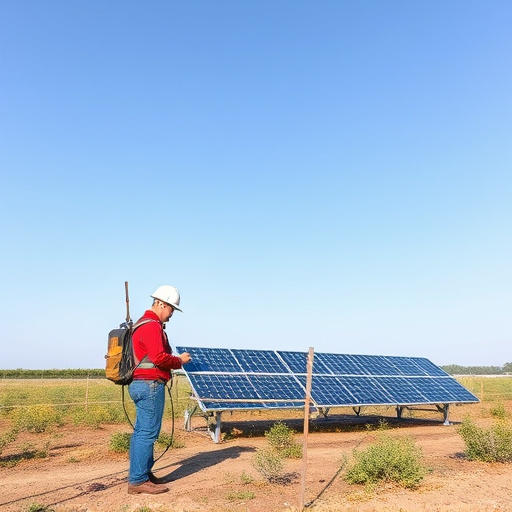
Adjusting solar panel tilt angles seasonally is vital for solar power naturally efficiency, especially in regions with distinct climate variations. Higher summer tilt captures more direct sunlight, while shallower winter angles maximize lower sun positions, boosting energy production up to 25%. Optimal tilt degrees vary by location; consulting experts and using resources like NREL maps ensure tailored adjustments. Regular reassessments are key to maintaining peak performance as environmental factors shift over time.
The efficient harnessing of solar power has become a cornerstone of our transition to clean energy, yet optimizing its potential remains an ongoing challenge. Seasonal variations significantly impact the effectiveness of solar panels, with angle and orientation playing crucial roles in capturing sunlight. Traditionally, this has required manual adjustments, which are time-consuming and imprecise. However, panel tilt adjustments offer a sophisticated solution. By finely tuning the angles, we can maximize energy production throughout the year, ensuring that solar installations operate at their full potential, naturally aligning with seasonal changes. This article delves into the intricacies of these adjustments and underscores their significance in maximizing the benefits of solar power.
- Understanding Seasonal Angle Impact on Solar Panels
- Benefits of Panel Tilt Adjustments Explained
- Optimal Tilt Angles for Different Climates
- Techniques for Accurate Panel Alignment
- Advanced Tools for Efficient Seasonal Adjustments
- Maximizing Solar Power Output Through Annual Maintenance
Understanding Seasonal Angle Impact on Solar Panels
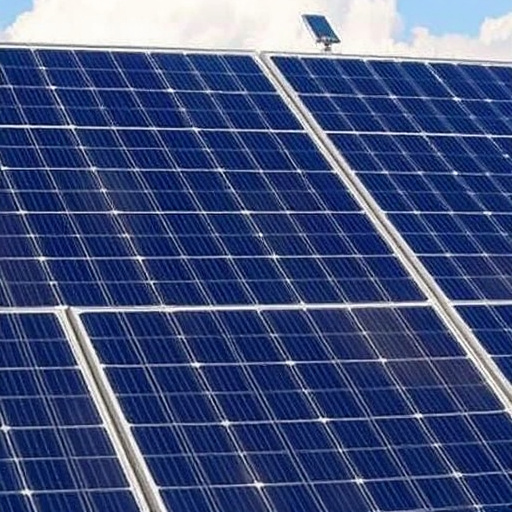
Solar panels, a cornerstone of renewable energy solutions, generate power by harnessing sunlight—a resource whose intensity varies with seasons and geographical location. Understanding seasonal angle impact on solar panels is crucial for optimizing their performance and maximizing the benefits of solar power naturally. The seasonal angle refers to the position of the sun in the sky relative to the earth at different times of the year, affecting the directness of sunlight reaching panels.
During summer months, when the sun is higher in the sky, solar panels receive more concentrated sunlight, leading to enhanced energy production. Conversely, in winter, the sun’s lower trajectory results in less direct light, potentially reducing panel efficiency. This seasonal variation underscores the importance of panel tilt adjustments. By changing the angle at which panels are oriented towards the sun, homeowners and businesses can align their systems for peak performance throughout the year.
For instance, studies have shown that adjusting solar panel angles to match the summer sun’s position in the northern hemisphere can increase energy harvest by up to 25% during those months. Similarly, a strategic tilt for winter conditions can mitigate power generation losses caused by reduced sunlight intensity. It’s important to note that optimal tilt angles are not static; they depend on specific locations and local climate patterns. Utilizing available data and consulting with solar installation experts can provide actionable advice tailored to individual circumstances. Regular assessments and adjustments ensure panels capture the maximum amount of natural sunlight, enhancing the overall efficiency and longevity of solar power systems.
Benefits of Panel Tilt Adjustments Explained

Panel tilt adjustments play a pivotal role in maximizing the efficiency of solar power systems, especially when considering seasonal variations in sunlight angles. By altering the angle at which solar panels are oriented, these adjustments enable optimal capturing of sunlight throughout the year, leading to significant improvements in energy production. This is particularly crucial in regions with substantial seasonal changes in weather patterns and daylight hours.
The benefits extend beyond mere efficiency. Proper panel tilt alignments can substantially increase the amount of solar radiation absorbed by the panels, resulting in higher energy yields. For instance, studies have shown that during winter months, when sunlight hits at lower angles, adjusted panel tilts can capture more direct sunlight, enhancing overall system performance. This effect is equally profound in summer, where proper tilt settings help avoid excessive shading from overhanging objects like trees or buildings, thereby ensuring consistent and maximum energy generation.
Moreover, these adjustments offer long-term cost savings for solar power system owners. By optimizing energy production, panel tilt adjustments can contribute to a reduction in the overall energy consumption of a property, leading to lower utility bills. Data suggests that systems with correctly angled panels can produce up to 25% more electricity compared to those with fixed, standard orientations, translating into faster returns on investment and enhanced long-term sustainability.
To leverage these benefits effectively, homeowners and businesses should work with solar installation experts who understand local climate patterns and can recommend precise tilt angles tailored to specific locations. Regular reassessments are also recommended as environmental factors and building structures can change over time, impacting panel performance. By incorporating these adjustments into the design and maintenance of solar power systems, users can ensure they harness the full potential of solar energy, naturally contributing to a cleaner, more sustainable future.
Optimal Tilt Angles for Different Climates

Optimizing solar panel tilt angles is a strategic approach to enhancing seasonal performance, ensuring maximum energy capture throughout the year. The ideal tilt angle varies significantly based on geographic location and climate conditions, requiring careful consideration for efficient solar power generation. In colder climates with higher latitudes, inclining panels at a steeper angle can capitalize on increased sunlight during winter months when the sun is lower in the sky. This adjustment maximizes direct sunlight exposure, counteracting shorter days and less intense radiation compared to sunnier regions.
In contrast, areas characterized by hot and sunny weather benefit from slightly shallower panel tilts. Lower angles align better with higher summer sun positions, reducing excessive heating of panels that can decrease efficiency. Studies have shown that optimal tilt angles in these regions typically range between 30-45 degrees, allowing for year-round balance between sunlight absorption and heat dissipation. For instance, a research project in the American Southwest found that panels tilted at 37 degrees consistently outperformed those at fixed 30-degree or steeper angles across all seasons.
Practical guidance is available to help homeowners and installers make informed decisions. Local solar resource maps, provided by organizations like the National Renewable Energy Laboratory (NREL), offer valuable data on average daily and seasonal sunlight intensity for specific locations. These resources enable users to determine optimal tilt angles tailored to their region. Additionally, consulting with solar professionals who understand local climates can provide customized advice, ensuring panels are aligned to capture the maximum potential of natural sunlight, thereby enhancing the overall efficiency and longevity of solar power systems.
Techniques for Accurate Panel Alignment

Optimizing solar panel tilt angles is a critical aspect of maximizing seasonal performance, an essential step in harnessing the full potential of solar power naturally. This involves precise panel alignment to capture the sun’s energy efficiently throughout the year. One effective technique is the use of dynamic tilt adjustments, allowing panels to adapt to changing seasons and latitudes. By tilting panels at an angle that aligns with the sun’s path, we can ensure optimal light absorption, enhancing energy production.
For instance, during summer months, when the sun is higher in the sky, a steeper panel tilt captures more direct sunlight, increasing energy yield. Conversely, in winter, a shallower tilt angles towards the horizon allow for maximum exposure to lower-angle sunlight. This seasonal adjustment is a sophisticated way to maintain consistent energy generation across all climate conditions. Experts recommend regular panel alignment checks, especially in areas with significant seasonal variations.
Practical advice includes utilizing advanced tracking systems that automatically adjust panel orientation. These systems employ sensors and algorithms to monitor sun position and weather patterns, ensuring continuous optimization. Alternatively, manual adjustments can be made using simple tools like bubble levels and measuring tapes, allowing homeowners and professionals alike to fine-tune panel alignment. Regular maintenance and these precise techniques contribute to long-term efficiency, making solar power a reliable and adaptable energy solution.
Advanced Tools for Efficient Seasonal Adjustments

Panel tilt adjustments play a pivotal role in optimizing solar power generation across varying seasons. This simple yet powerful tool allows for precise control over the orientation of solar panels, maximizing exposure to sunlight throughout the year. By understanding seasonal changes in sunlight angles, users can fine-tune panel tilts to capture the most efficient light, thereby enhancing overall energy production.
Advanced tools and technologies have significantly enhanced this process, offering greater precision and ease of use. Modern solar panel systems are often equipped with automated tilt adjustment mechanisms that respond dynamically to changing weather conditions. For instance, some smart panels employ integrated sensors that detect sunlight intensity and direction, automatically adjusting the tilt angle for optimal performance. This technology is particularly beneficial in regions experiencing significant seasonal variations, ensuring consistent energy generation throughout the year without manual intervention.
Practical insights from industry experts suggest that a strategic approach to panel tilt adjustments can yield substantial results. For residential installations, seasonal adjustments typically range between 10-35 degrees, with precise settings depending on geographical location and specific solar exposure. Commercial-scale operations may employ more sophisticated strategies, leveraging data analytics to predict sunlight patterns and optimize panel orientation accordingly. By regularly evaluating and adjusting tilt angles, solar power systems can bridge the gap between theoretical energy production potential and actual performance, leading to significant long-term savings and improved environmental sustainability.
Maximizing Solar Power Output Through Annual Maintenance

Optimizing solar power output through annual maintenance is a strategic approach to maximizing the benefits of renewable energy sources. One often overlooked yet highly effective method is panel tilt adjustments, which play a pivotal role in enhancing seasonal performance. The Earth’s varying inclinations throughout the year directly impact the sun’s position relative to solar panels, leading to fluctuations in solar power generation. By adjusting the tilt angle of these panels, homeowners and businesses can ensure they capture the most sunlight during each season.
For instance, during summer months, a higher panel tilt angle aligns better with the sun’s path, increasing direct sunlight exposure and boosting energy production. Conversely, in winter, a lower tilt allows for maximum absorption of low-angle sunlight, preventing shadows cast by structures or nearby trees. Studies have shown that proper tilt adjustments can lead to significant energy yield increases—up to 25% in some cases. This simple yet powerful technique is particularly beneficial for regions with marked seasonal changes, where traditional fixed-tilt installations might underperform.
Regular maintenance and panel tilt adjustments are integral parts of a comprehensive solar power optimization strategy. It involves periodic inspections, cleaning, and angle fine-tuning based on local climate data and tracking the system’s performance over time. By embracing these practices, property owners not only ensure their solar systems operate at peak efficiency but also contribute to long-term sustainability by reducing overall energy consumption and carbon footprint. This proactive approach to solar power management is a game-changer in the transition towards renewable energy dominance.
By optimizing panel tilt angles according to seasonal variations, homeowners and solar energy experts can significantly enhance the efficiency of their solar power systems. This article has highlighted the critical impact of seasonal angles on solar panel performance, offering valuable insights into how adjustments can maximize solar power output throughout the year. Key takeaways include the benefits of climate-specific tilt angles, practical techniques for accurate alignment, and the availability of advanced tools to streamline seasonal adjustments. Furthermore, emphasizing the importance of annual maintenance ensures that these systems operate at their highest potential. With this comprehensive understanding, readers are equipped to make informed decisions, ensuring their solar power systems deliver optimal performance naturally.