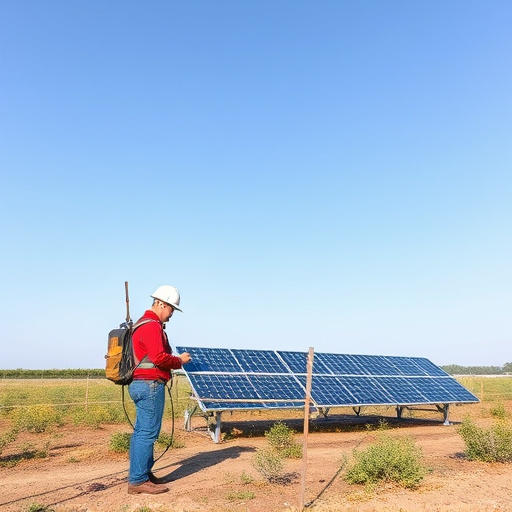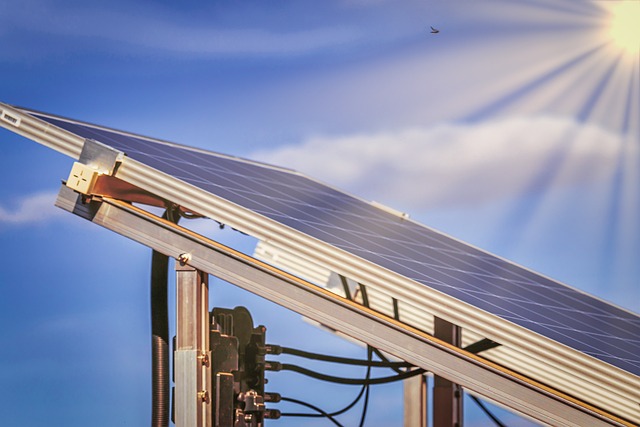
To ensure optimal performance and long-term viability of solar panels, it's crucial to maintain their cleanliness through a regular cleaning schedule. Dirt, dust, and organic matter like bird droppings can significantly reduce panel efficiency by obstructing sunlight necessary for photovoltaic cells to convert into electricity. A tailored maintenance plan that considers local environmental factors is essential for maximizing solar energy output and prolonging the lifespan of the panels. This includes seasonal adjustments for cleaning frequency based on dust accumulation and bird activity. Proactive cleaning strategies, such as using soft-bristled brushes or non-abrasive sponges with a mild detergent solution, help preserve panel integrity. In environments with high pollution or frequent contaminants, semi-annual cleanings may be necessary, while in cleaner areas, an annual cleaning might suffice. Robotic and ultrasonic cleaning technologies are emerging as efficient solutions for large-scale solar installations, offering benefits like enhanced safety, reduced labor costs, and improved energy output. Monitoring systems can assist in tracking performance and identifying issues early, which, combined with advancements in solar technology, ensures sustained peak efficiency and a valuable return on investment over the panels' lifespan.
solar power, cleaning, maintenance, energy production, efficiency, dust removal, solar panels, best practices, large-scale installations, lifespan assessment
Solar power stands as a cornerstone in the global shift towards sustainable energy. Maximizing the efficiency of solar panels is pivotal to harnessing their full potential. A buildup of dust, debris, and even bird droppings can significantly impair their performance, leading to reduced energy output. This article delves into the critical aspects of maintaining and cleaning solar panels to ensure peak efficiency. From practical, step-by-step guidance for residential systems to exploring advanced technologies tailored for large-scale installations, we’ll cover the essentials for prolonging your solar panels’ lifespan and maximizing their energy yield. Understanding the importance of routine maintenance and the impact of environmental factors is key to maintaining the integrity of your solar power investment.
- Understanding the Importance of Clean Solar Panels for Optimal Energy Production
- The Role of Dust, Debris, and Bird Droppings in Solar Panel Efficiency
- Step-by-Step Guide to Safely Cleaning Your Solar Panels
- Frequency and Best Practices for Solar Panel Maintenance
- Advanced Techniques: Robotic and Ultrasonic Cleaning Systems for Large-Scale Solar Installations
- Long-Term Considerations: Assessing the Lifespan and Performance of Your Solar Panels Post-Maintenance
Understanding the Importance of Clean Solar Panels for Optimal Energy Production

Maintaining the cleanliness of solar panels is a critical aspect for ensuring optimal energy production from solar power systems. Dirt, dust, bird droppings, and other debris can accumulate on the surfaces of solar panels over time, leading to reduced efficiency. Each panel’s surface area must remain clear so that it can effectively capture sunlight and convert it into electricity. Even a thin layer of grime can significantly impair the photovoltaic cells’ ability to function at peak performance. Regular cleaning of solar panels is therefore an indispensable part of their maintenance schedule, directly influencing their longevity and the return on investment for homeowners and businesses alike. By implementing a routine cleaning regimen, users can maximize the energy yield from their solar power installations, ensuring that they operate at their designed capacity for as long as possible. This not only extends the lifespan of the panels but also guarantees that the investment in solar power remains both cost-effective and environmentally friendly over the long term.
The Role of Dust, Debris, and Bird Droppings in Solar Panel Efficiency

The efficiency of solar panels is significantly influenced by their cleanliness, with accumulated dust, debris, and bird droppings playing a pivotal role in their performance. Over time, these contaminants can settle on the surface of solar panels, reducing their ability to absorb sunlight effectively. Dust and debris can scatter light and create a layer of interference that diminishes the photovoltaic effect, leading to a decrease in power generation. Bird droppings, notorious for their high nitrogen content, can cause localized corrosion on the panels if left unattended, further impacting energy conversion rates. Regular cleaning protocols are essential in solar power operations to mitigate these effects and ensure optimal energy output. It’s imperative to implement a maintenance schedule that accounts for seasonal variations in dust levels and bird activity, thereby maintaining the highest efficiency possible from your solar panels. Proactive solar panel maintenance not only ensures maximum energy yield but also contributes to the longevity and durability of the panels themselves, making it a critical aspect of solar power investment.
Step-by-Step Guide to Safely Cleaning Your Solar Panels

Maintaining the efficiency of your solar panels is paramount for maximizing their energy output. Over time, dust, dirt, bird droppings, and other debris can accumulate on the surfaces of your solar panels, reducing their effectiveness. A thorough cleaning routine is essential to ensure they operate at peak performance. Here’s a step-by-step guide to safely clean your solar panels:
Begin by carefully inspecting your solar panels for any visible damage or wear. Ensure that the surface is intact and there are no broken seals, which could compromise their functionality. Use a soft-bristled brush or non-abrasive sponge to gently remove any loose dirt or debris. This step helps prevent scratches on the panel’s surface during the cleaning process. Next, prepare a cleaning solution by mixing a small amount of dish soap with lukewarm water in a large bucket. This solution will help lift and dissolve stubborn grime without causing harm to the solar panels’ delicate surfaces.
When you’re ready to clean, start by rinsing each panel with a garden hose set to a low-pressure stream. This step will remove any larger particles and loose dirt. Then, using a soft, lint-free cloth or mop designed for window cleaning—such as microfiber—dip it into your prepared cleaning solution. Wring out the cloth or mop to avoid over-saturating the panels, which could lead to water infiltration. Gently wipe the surface of each panel with the damp cloth or mop in a methodical motion, ensuring full coverage without applying too much pressure. After cleaning, rinse the panels thoroughly with clean water to remove any soap residue. Allow the panels to dry completely before assessing their performance and making any necessary adjustments. Regular maintenance, combined with this careful cleaning approach, will help ensure your solar panels continue to harness solar power efficiently for years to come.
Frequency and Best Practices for Solar Panel Maintenance

Regular maintenance of solar panels is crucial for maintaining their efficiency and longevity. Solar power systems, particularly photovoltaic (PV) panels, should be cleaned according to a schedule dictated by environmental factors such as the local climate and the amount of dust, dirt, bird droppings, or other contaminants that accumulate on the panels. In regions with high pollution levels or frequent sandstorms, cleaning frequencies may need to be more regular, possibly every six months. Conversely, in cleaner environments, once a year might suffice. The best practice involves using a soft brush or non-abrasive cloth with deionized water and a mild detergent to remove any accumulated grime without scratching the panel surfaces. It’s important to avoid high-pressure washers that can damage the seals and underlying components of the solar panels. Additionally, during maintenance checks, inspect the panels for any physical damage, loose wiring, or signs of aging that could affect their performance. Regularly trimming nearby trees and vegetation can prevent shading issues that reduce solar power output. By adhering to these best practices, solar panel owners can ensure their systems continue to operate at optimal efficiency, making the most of the clean, renewable energy they provide.
Advanced Techniques: Robotic and Ultrasonic Cleaning Systems for Large-Scale Solar Installations

In the realm of solar energy, maintaining high efficiency levels in large-scale solar installations is paramount for optimal performance. As dust and debris accumulate on photovoltaic (PV) panels over time, their ability to convert sunlight into electricity diminishes. To counteract this, advanced techniques have been developed to ensure these systems operate at peak efficiency. Robotic cleaning systems represent a significant innovation in solar panel maintenance. These automated solutions are equipped with sensors and intelligence to navigate solar array structures, cleaning each panel effectively without the need for manual intervention. This not only enhances safety by keeping workers off elevated surfaces but also significantly reduces the time and labor costs associated with manual cleaning. The precision and efficiency of these robotic systems ensure that each panel receives consistent coverage, removing dirt and grime that can otherwise obstruct sunlight and reduce energy output.
In addition to robotic solutions, ultrasonic cleaning systems are another technological advancement revolutionizing the maintenance of large-scale solar installations. Utilizing high-frequency sound waves in a controlled environment, these systems can clean panels with remarkable efficiency. The ultrasonic method is particularly effective for removing hard-to-clean contaminants like bird droppings or tree sap, which manual scrubbing might otherwise leave behind. This technique also helps to prevent any potential damage that could be caused by abrasive materials during the cleaning process. By integrating these ultrasonic systems, solar power plants can maintain their energy production capacity, ensuring a reliable and consistent supply of clean energy. The combination of robotic and ultrasonic cleaning methods not only extends the lifespan of the panels but also ensures that they operate at their maximum efficiency, making them a cost-effective and sustainable choice for large-scale solar installations.
Long-Term Considerations: Assessing the Lifespan and Performance of Your Solar Panels Post-Maintenance

The longevity and performance efficiency of solar panels are pivotal factors in maximizing the return on investment over their operational lifespan. Regular cleaning and maintenance are critical for maintaining peak power output. As solar panels accumulate dust, debris, and potentially bird droppings, their ability to absorb sunlight diminishes. This dirt-induced reduction in efficiency can be mitigated through routine cleaning, which should be conducted at least twice a year in areas with significant dust or pollen, or more frequently after extreme weather events. Additionally, the integrity of the panels’ components, such as the glass and solar cells, must be monitored for signs of wear or damage that could impair their function. Employing monitoring systems can provide data on energy output trends, enabling early detection of performance issues. Such proactive measures not only extend the lifespan of the panels but also ensure they operate at optimal levels, delivering the highest possible solar power yield throughout their lifecycle. It’s also advisable to keep abreast of technological advancements in the field of solar energy, as improvements can enhance the performance and efficiency of your system over time. By adhering to a structured maintenance schedule and staying informed about innovations in solar technology, you can maintain the efficacy and longevity of your solar power investment.
solar panels play a pivotal role in harnessing renewable energy, and their performance is closely tied to cleanliness and maintenance. Regular upkeep ensures that each panel operates at peak efficiency, maximizing the potential of solar power. Dust, debris, and environmental contaminants can significantly impair a solar panel’s ability to convert sunlight into electricity. By following a systematic cleaning protocol and employing advanced technologies like robotic or ultrasonic systems for larger installations, energy production can be consistently optimized. Homeowners and operators of solar farms should adhere to regular maintenance schedules to prolong the lifespan and maintain the performance of their solar panels, thereby contributing to sustainable energy practices. Adhering to these practices underscores the commitment to leveraging solar power’s full potential, making it an integral part of a greener future.