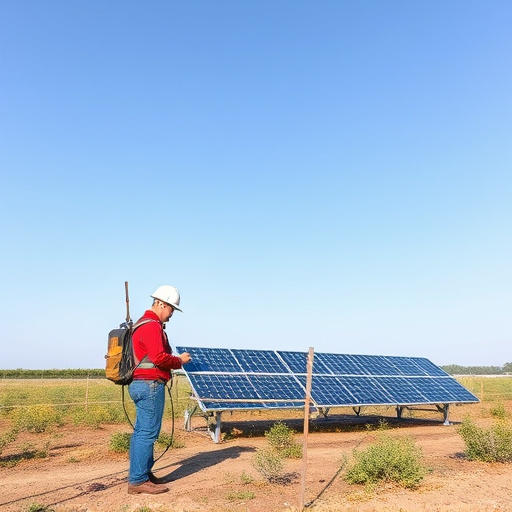
Solar Power: Harnessing the Sun’s Energy for a Sustainable Future
Introduction
Solar power stands at the forefront of renewable energy technologies, offering a clean, abundant, and increasingly accessible source of electricity. This article delves into the intricacies of solar power, from its scientific principles to its global impact, economic benefits, technological advancements, policy frameworks, and future prospects. By exploring these facets, readers will gain a comprehensive understanding of how solar power is reshaping our energy landscape and what it means for the planet’s sustainability.
Understanding Solar Power
Solar power is the conversion of sunlight into electricity using photovoltaic (PV) cells or solar thermal collectors. It is a technology that has been harnessed for decades but has gained significant traction in recent years due to advancements in efficiency, cost reduction, and environmental concerns. The core components of solar power systems include solar panels, inverters, batteries for energy storage, and the grid connection for distribution.
Historically, solar power’s relevance began with simple applications like calculators and satellites. However, its significance has expanded as the world seeks sustainable alternatives to fossil fuels. Solar power is a key player in the transition towards a low-carbon economy, with the potential to provide clean energy accessibly and at scale.
Global Impact and Trends
The global impact of solar power is monumental, with its adoption affecting every continent. The International Energy Agency (IEA) reports that solar power capacity has been growing at an unprecedented rate, outpacing all other forms of energy globally. This growth is driven by declining costs, technological improvements, and supportive policies in many countries.
In regions like Europe, Germany has led the way with significant investments in solar infrastructure, while countries like China and the United States have made massive strides in both installations and technological innovation. Australia, with its high solar irradiance, has also embraced solar power, integrating it into both urban and rural energy systems.
Economic Considerations
The economic implications of solar power are multifaceted. It presents opportunities for investment and job creation in the manufacturing, installation, and maintenance sectors. The solar industry has become a significant economic driver, with markets experiencing both growth and volatility.
Investment patterns reflect a global shift towards renewables, with solar power attracting substantial funding. The cost-effectiveness of solar power is evident in its competitive pricing against fossil fuels, leading to increased adoption by consumers and businesses alike. Solar power’s role in economic systems is also transformative, as it can reduce energy import bills for countries that traditionally rely on fuel imports.
Technological Advancements
Technological advancements have been pivotal in the evolution of solar power. Innovations like bifacial solar panels, which capture sunlight from both sides, and perovskite solar cells, known for their high efficiency and lower production costs, are on the horizon. Perovskite solar cells have the potential to reach efficiencies beyond 25%, surpassing today’s silicon-based cells.
Moreover, advancements in energy storage solutions, such as lithium-ion batteries and flow batteries, have made it possible to store solar energy for use when sunlight is not available, thus enhancing the reliability of solar power systems. The integration of artificial intelligence (AI) and machine learning (ML) in solar energy management further optimizes performance and maintenance.
Policy and Regulation
The regulatory framework for solar power varies by region but is increasingly supportive. Policies like net metering, feed-in tariffs, and tax incentives have been instrumental in promoting solar adoption. The United States Federal Solar Tax Credit (ITC) has significantly accelerated the deployment of solar systems across the country.
International agreements, such as the Paris Agreement, also influence policy by setting targets for reducing greenhouse gas emissions, with solar power being a key solution for many countries. Regulatory bodies worldwide are working to ensure that policies facilitate a just transition towards renewable energy sources, including solar.
Challenges and Criticisms
Solar power faces several challenges, including intermittency, the need for significant land use, supply chain dependencies, and the degradation of solar panels over time. Critics also point to the environmental impact of solar panel production and disposal.
To address these issues, strategies such as developing more efficient energy storage systems, optimizing land use through agrivoltaic systems, ensuring ethical and sustainable supply chains, and creating recycling programs for solar panels are essential. Investments in research and development can also lead to breakthroughs that mitigate the degradation of solar panels.
Case Studies
Several case studies exemplify the successful application of solar power. The Nellis Solar Power Plant in Nevada, USA, one of the world’s largest, showcases large-scale solar energy production. Germany’s rooftop solar revolution has transformed neighborhoods into microgrids, demonstrating the viability of distributed generation.
India’s Kutch district is another notable case, where a large-scale solar park coexists with a salt pan farm, illustrating the potential for sustainable land use practices in solar development. These examples highlight the versatility and adaptability of solar power technologies.
Future Prospects
The future of solar power is promising, with the potential to become the dominant source of energy globally. Technological advancements are expected to continue enhancing efficiency and reducing costs. The integration of solar power with other renewable sources, such as wind and hydroelectricity, will be key to creating a sustainable and resilient energy system.
The rise of solar power will also have significant social implications, including improved energy access in remote areas and the potential for economic empowerment in developing countries. As solar technology advances, it may play a crucial role in achieving global sustainability goals.
Conclusion
Solar power is a transformative technology with the potential to reshape our energy landscape, promote economic growth, and protect the environment. Its multifaceted impact touches on economic, social, and environmental spheres, making it a cornerstone of sustainable development. As the world continues to grapple with climate change and the need for clean energy solutions, solar power stands out as a viable and increasingly accessible option for the future.
Solar power is a transformative renewable energy (learn more) source that offers significant environmental and economic benefits by reducing reliance on fossil fuels and lowering energy expenses. An energy savings assessment is crucial for maximizing the efficiency of solar panel installations by analyzing past energy usage to pinpoint waste and determining optimal placement for new panels, taking into account factors like roof orientation and local climate. This tailored approach ensures that solar power systems are effectively utilized, leading to substantial savings on energy costs and a reduced carbon footprint. By incorporating advancements in solar technology that improve panel efficiency and energy storage, the transition to clean energy becomes not only sustainable but also cost-effective. Energy savings assessments play a vital role in this shift by providing precise projections of energy production and savings, guiding entities in making informed investment decisions in solar technology, ultimately reaping the long-term benefits that solar power provides as an essential part of a renewable energy portfolio.
Exploring the potential of solar power to transform your energy consumption into cost-saving opportunities, this article delves into the intricacies of energy savings assessments. These assessments are pivotal in understanding your current energy usage and unlocking the benefits of solar technology. We will guide you through the science of solar panels, the types of systems best suited for your needs, and the practical steps to evaluate your property’s solar potential. By examining case studies and providing actionable tips for optimizing your setup, this piece aims to empower you with the knowledge to make informed decisions about integrating solar power into your energy mix. Embrace the journey towards energy independence and financial savings with insights from comprehensive assessments, ensuring a sustainable future for your home or business.
Understanding Your Energy Usage: A Comprehensive Guide to Solar Power and Energy Savings Assessments

Solar power stands as a pivotal solution for harnessing renewable energy, offering both environmental and economic benefits. To effectively leverage solar power for energy savings, it’s crucial to first understand your current energy usage patterns. This is where an energy savings assessment comes into play, providing a detailed analysis of your home or business’s energy consumption. By evaluating historical energy data, the assessment identifies areas where energy is wasted and pinpoints opportunities for solar power integration. Homeowners and businesses can then make informed decisions about solar panel installation, system size, and potential savings on energy bills. The assessment considers factors such as roof orientation, local climate, and energy needs to tailor a solar solution that maximizes efficiency and ROI. Understanding your energy usage is the first step towards realizing the full potential of solar power, leading to significant reductions in your energy costs and a lower carbon footprint. With the right information at hand, you can confidently navigate the transition to solar, ensuring that your investment is both cost-effective and sustainable over time.
– Overview of solar power technology and its role in reducing energy consumption

Solar power technology harnesses the sun’s energy, converting it into electricity, which can be used to power homes and businesses. This renewable resource plays a pivotal role in mitigating energy consumption by providing an alternative to fossil fuels. The process involves photovoltaic (PV) panels that capture sunlight and create direct current (DC) electricity, which is then converted into alternating current (AC) for use in everyday applications. With advancements in solar technology, including improved panel efficiency and energy storage solutions, the adoption of solar power has grown exponentially, offering a cleaner and more sustainable way to meet energy needs. The integration of solar power not only reduces greenhouse gas emissions but also contributes to energy independence and resilience against volatile fuel prices. Energy savings assessments are instrumental in evaluating the potential benefits of installing solar power systems. These assessments take into account local climate, historical energy usage, roof orientation, and shading factors to provide accurate projections of energy production and savings, aiding homeowners and businesses in making informed decisions about their investment in solar technology. By understanding the feasibility and projected outcomes of solar installations, entities can capitalize on the long-term financial and environmental benefits of this transformative energy source.
In conclusion, harnessing solar power offers a tangible pathway to significant energy savings for households and businesses alike. By conducting thorough solar energy assessments, individuals can gain insightful estimates of their potential savings, thereby making informed decisions about investments in solar technology. These assessments reveal not only the financial benefits but also contribute to a more sustainable future by reducing overall energy consumption. Embracing solar power is a prudent step towards optimizing your energy usage and minimizing your carbon footprint. With the right guidance and assessment tools, the transition to solar can be both profitable and environmentally responsible.