Solar Power: Harnessing the Sun’s Energy for a Sustainable Future
Introduction
Solar power stands at the forefront of renewable energy technologies, offering a clean, abundant, and increasingly accessible source of electricity. This article delves into the intricacies of solar power, from its scientific principles to its global impact, economic benefits, technological advancements, policy frameworks, and future prospects. By exploring these facets, readers will gain a comprehensive understanding of how solar power is reshaping our energy landscape and what it means for the planet’s sustainability.
Understanding Solar Power
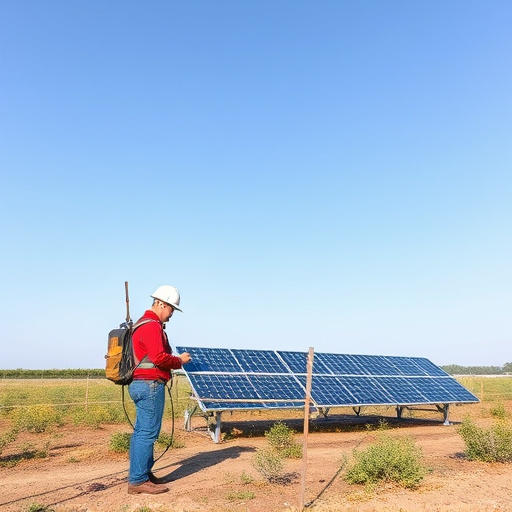
Solar power is the conversion of sunlight into electricity using photovoltaic (PV) cells or solar thermal collectors. It is a technology that has been harnessed for decades but has gained significant traction in recent years due to advancements in efficiency, cost reduction, and environmental concerns. The core components of solar power systems include solar panels, inverters, batteries for energy storage, and the grid connection for distribution.
Historically, solar power’s relevance began with simple applications like calculators and satellites. However, its significance has expanded as the world seeks sustainable alternatives to fossil fuels. Solar power is a key player in the transition towards a low-carbon economy, with the potential to provide clean energy accessibly and at scale.
Global Impact and Trends
The global impact of solar power is monumental, with its adoption affecting every continent. The International Energy Agency (IEA) reports that solar power capacity has been growing at an unprecedented rate, outpacing all other forms of energy globally. This growth is driven by declining costs, technological improvements, and supportive policies in many countries.
In regions like Europe, Germany has led the way with significant investments in solar infrastructure, while countries like China and the United States have made massive strides in both installations and technological innovation. Australia, with its high solar irradiance, has also embraced solar power, integrating it into both urban and rural energy systems.
Economic Considerations
The economic implications of solar power are multifaceted. It presents opportunities for investment and job creation in the manufacturing, installation, and maintenance sectors. The solar industry has become a significant economic driver, with markets experiencing both growth and volatility.
Investment patterns reflect a global shift towards renewables, with solar power attracting substantial funding. The cost-effectiveness of solar power is evident in its competitive pricing against fossil fuels, leading to increased adoption by consumers and businesses alike. Solar power’s role in economic systems is also transformative, as it can reduce energy import bills for countries that traditionally rely on fuel imports.
Technological Advancements
Technological advancements have been pivotal in the evolution of solar power. Innovations like bifacial solar panels, which capture sunlight from both sides, and perovskite solar cells, known for their high efficiency and lower production costs, are on the horizon. Perovskite solar cells have the potential to reach efficiencies beyond 25%, surpassing today’s silicon-based cells.
Moreover, advancements in energy storage solutions, such as lithium-ion batteries and flow batteries, have made it possible to store solar energy for use when sunlight is not available, thus enhancing the reliability of solar power systems. The integration of artificial intelligence (AI) and machine learning (ML) in solar energy management further optimizes performance and maintenance.
Policy and Regulation
The regulatory framework for solar power varies by region but is increasingly supportive. Policies like net metering, feed-in tariffs, and tax incentives have been instrumental in promoting solar adoption. The United States Federal Solar Tax Credit (ITC) has significantly accelerated the deployment of solar systems across the country.
International agreements, such as the Paris Agreement, also influence policy by setting targets for reducing greenhouse gas emissions, with solar power being a key solution for many countries. Regulatory bodies worldwide are working to ensure that policies facilitate a just transition towards renewable energy sources, including solar.
Challenges and Criticisms
Solar power faces several challenges, including intermittency, the need for significant land use, supply chain dependencies, and the degradation of solar panels over time. Critics also point to the environmental impact of solar panel production and disposal.
To address these issues, strategies such as developing more efficient energy storage systems, optimizing land use through agrivoltaic systems, ensuring ethical and sustainable supply chains, and creating recycling programs for solar panels are essential. Investments in research and development can also lead to breakthroughs that mitigate the degradation of solar panels.
Case Studies
Several case studies exemplify the successful application of solar power. The Nellis Solar Power Plant in Nevada, USA, one of the world’s largest, showcases large-scale solar energy production. Germany’s rooftop solar revolution has transformed neighborhoods into microgrids, demonstrating the viability of distributed generation.
India’s Kutch district is another notable case, where a large-scale solar park coexists with a salt pan farm, illustrating the potential for sustainable land use practices in solar development. These examples highlight the versatility and adaptability of solar power technologies.
Future Prospects
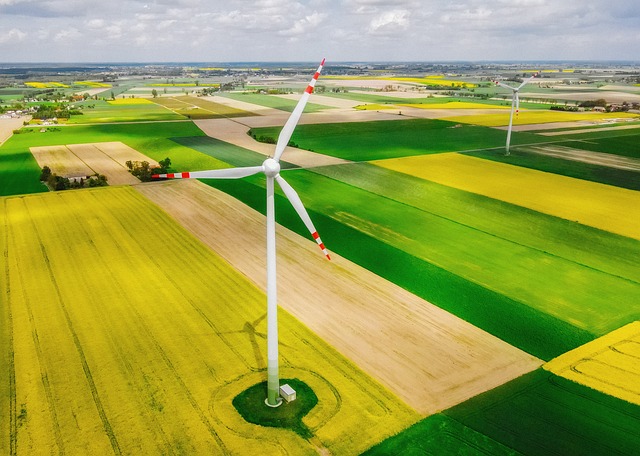
The future of solar power is promising, with the potential to become the dominant source of energy globally. Technological advancements are expected to continue enhancing efficiency and reducing costs. The integration of solar power with other renewable sources, such as wind and hydroelectricity, will be key to creating a sustainable and resilient energy system.
The rise of solar power will also have significant social implications, including improved energy access in remote areas and the potential for economic empowerment in developing countries. As solar technology advances, it may play a crucial role in achieving global sustainability goals.
Conclusion
Solar power is a transformative technology with the potential to reshape our energy landscape, promote economic growth, and protect the environment. Its multifaceted impact touches on economic, social, and environmental spheres, making it a cornerstone of sustainable development. As the world continues to grapple with climate change and the need for clean energy solutions, solar power stands out as a viable and increasingly accessible option for the future.
Solar power offers a versatile and scalable renewable energy source, tailored to meet a wide range of energy needs across residential, commercial, and off-grid sectors. It provides efficient, clean, and adaptive solutions through customizable solar panel setups, including innovative applications like solar carports that generate electricity while shielding vehicles. Rooftop installations turn underutilized spaces into energy-generating assets, significantly impacting a building's energy usage. Solar technology's potential is vast, from powering homes and electric vehicles to irrigating farms and supporting communication networks, all while contributing to the reduction of carbon footprints and promoting energy independence. Smart energy management systems further enhance solar efficiency by optimizing energy output based on real-time consumption and predictive weather data. With a variety of panel types, sizes, and storage options available, solar solutions are designed to fit diverse requirements and climates, ensuring continuous power availability with advanced battery technology, even during non-peak sunlight hours. As a key component of sustainable energy strategies, solar power is set to be a reliable and flexible source of energy for the future.
As the global demand for renewable energy sources continues to rise, customizable solar solutions are becoming increasingly pivotal. These tailored systems not only cater to diverse energy needs across various sectors but also offer unparalleled flexibility and scalability. This comprehensive article delves into the evolution of solar power systems, their applications, and the key considerations for designing a custom solar setup that aligns with your specific requirements. From residential energy autonomy to large-scale industrial applications, we explore the types of customizable solar arrays available, ensuring you can harness solar power effectively. We also examine successful case studies where custom solutions have been seamlessly integrated, providing valuable insights into the practicality and benefits of this green technology. Furthermore, we address the financial aspects, maintenance requirements, and future trends that will shape the way we think about solar energy in the coming years. Join us as we illuminate the path to a more sustainable energy future with customizable solar solutions.
Understanding Customizable Solar Solutions and Their Applications

Solar power presents a versatile and sustainable energy source that can be tailored to meet an array of specific needs across various sectors. These customizable solar solutions are not one-size-fits-all; instead, they are designed with flexibility in mind to optimize efficiency and effectiveness for individual applications. Understanding the intricacies of solar technology is key to leveraging its potential. Solar panels, inverters, batteries, and other components can be combined in different configurations to suit specific energy requirements, whether it’s for residential use, commercial establishments, or off-grid systems in remote locations. For instance, solar carports not only generate clean energy but also provide shelter for vehicles, while rooftop installations transform unused space into power plants that contribute to a building’s energy needs. The applications of customizable solar solutions are broad and expanding as technology advances. From powering homes to driving electric vehicles, from supporting agricultural operations with solar-powered irrigation systems to enabling telecommunication infrastructure with reliable renewable energy, the adaptability of solar technology makes it an integral part of our sustainable energy future. Each installation is a unique solution that contributes to reducing carbon footprints and fostering energy independence. The scalability of these solutions means that as requirements evolve, so too can the solar installations, ensuring they remain effective and relevant over time.
In the realm of renewable energy, solar power stands out as a versatile and customizable solution that caters to a wide array of specific needs. Innovations in solar technology have led to an unprecedented variety of solar solutions, from residential rooftop installations to large-scale solar farms. These systems are designed with flexibility in mind, allowing users to tailor their energy generation capacity to their unique requirements. Whether it’s for powering a home, business, or even remote off-grid locations, the adaptability of solar technology ensures that the right amount of electricity is generated where and when it’s needed most. The integration of smart energy management systems further enhances this adaptability, optimizing the energy output based on real-time consumption patterns and weather forecasts, thus maximizing efficiency and reducing waste. As a result, solar power not only contributes to sustainable living but also offers a personalized and cost-effective energy solution that aligns with individual and communal needs.
Customizable solar solutions are transforming the way we harness and use energy. With advancements in photovoltaic technology, users can now select from a multitude of panel types, sizes, and energy storage options. These selections are informed by factors such as geographic location, local climate conditions, roof orientation, and personal or commercial power demands. The ability to customize also extends to the integration of solar solutions with existing electrical systems, ensuring seamless compatibility and operation. Furthermore, the advent of high-capacity batteries for energy storage means that users can enjoy the benefits of solar power even during periods of low sunlight or at night. This level of customization ensures that no matter the scale or complexity of the energy requirements, there is a solar solution tailored to meet those needs efficiently and effectively.
In conclusion, the potential of customizable solar solutions in shaping a sustainable energy future is undeniable. These tailored systems represent a significant advancement in solar power technology, enabling users to harness renewable energy effectively while catering to diverse and specific needs. As this article has explored, from residential rooftops to large-scale commercial installations, the adaptability of these systems ensures that no matter the requirement or challenge, there is a solar solution to meet it. Embracing customizable solar options is a step towards a cleaner, more energy-independent world, underscoring the importance of renewable technologies in our collective journey towards sustainability.