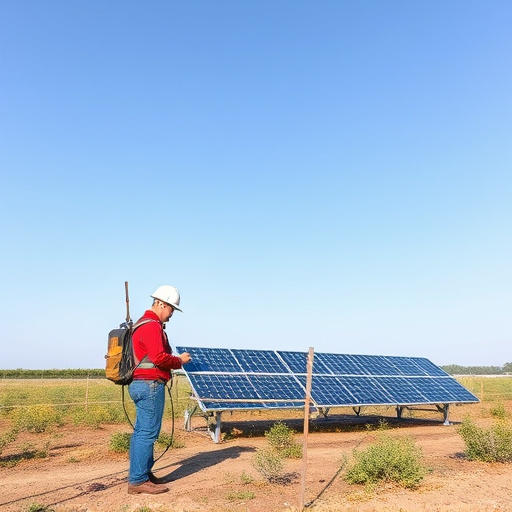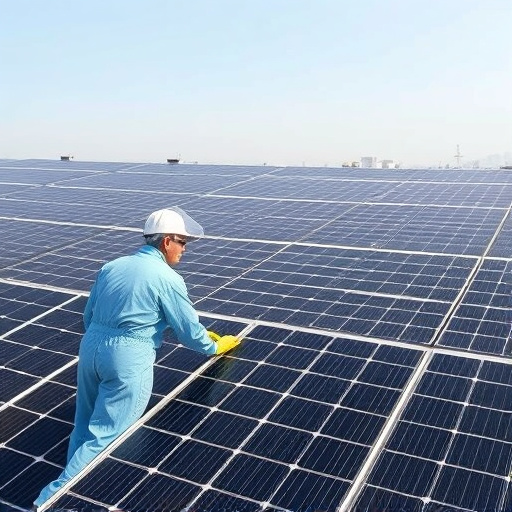
Regular cleaning and maintenance of solar panels are vital for maximizing Solar Power output and lifespan. Even minor debris can reduce energy production by up to 25%. Inspect panels for damage, clean with soft brushes and mild detergent as needed, and monitor performance over time. Annual cleaning boosts energy efficiency by up to 5%. Professional services offer specialized care in high-pollution areas or with significant tree coverage.
In the rapidly growing pursuit of sustainable energy solutions, solar power has emerged as a leading contender. However, maintaining optimal performance across various factors is essential for harnessing the full potential of solar energy. One critical yet often overlooked aspect is panel cleaning. Accumulated dust, debris, and other contaminants can significantly reduce energy output over time, impacting both residential and commercial solar installations. This article delves into the profound importance of regular panel cleaning in preserving peak energy production, offering valuable insights for maximizing the benefits of solar power.
- Understanding the Impact of Panel Cleaning on Solar Power Output
- Step-by-Step Guide to Effective Solar Panel Maintenance
Understanding the Impact of Panel Cleaning on Solar Power Output

The act of cleaning solar panels is a vital practice that significantly influences the performance and energy output of solar power systems. Despite being often overlooked, this simple yet crucial task can dramatically improve the efficiency of photovoltaic (PV) panels, ensuring they operate at their maximum capacity. Regular cleaning ensures that solar panels receive the optimal amount of sunlight, directly correlating with increased electricity generation.
A study conducted by the National Renewable Energy Laboratory (NREL) revealed that even a thin layer of dirt or debris on solar panels can reduce energy output by as much as 25%. This is because dust, bird droppings, and other contaminants can block sunlight from reaching the panel’s surface, hindering the photovoltaic cells’ ability to convert light into electricity. In regions with high pollution levels or frequent fog, this effect can be even more pronounced. For instance, a clean solar panel in a dusty environment may produce 10-20% more energy than its unclean counterpart.
To maintain peak performance, it is recommended that solar panels be cleaned at least twice annually, depending on the local climate and surrounding conditions. In areas with abundant tree coverage or high pollution, more frequent cleaning might be necessary. Professional cleaning services offer advanced equipment and solutions tailored for PV panel maintenance. Homeowners can also effectively clean their panels using soft brushes, garden hoses, and mild detergent solutions, ensuring they avoid damaging the panels during the process. Regular cleaning not only boosts energy production but extends the lifespan of solar panels, providing a long-term investment in sustainable energy sources.
Step-by-Step Guide to Effective Solar Panel Maintenance

Maintaining solar panels is essential to ensure optimal energy production and the longevity of your investment in solar power. Regular cleaning and servicing can significantly impact the performance of these panels, allowing them to harness sunlight efficiently. Here’s a step-by-step guide for effective solar panel maintenance, ensuring you get the most out of your clean energy system.
Start by inspecting the panels for any visible debris or damage. Dust, bird droppings, and leaves can accumulate over time, reducing the panel’s efficiency. Use a pair of binoculars to scan for any issues from a distance before getting closer. Look for broken components, loose connections, or signs of corrosion on metal parts. Regular checks can help identify problems early, making repairs more manageable. After inspecting, give panels a thorough cleaning using a soft brush to remove surface dirt and debris. Avoid harsh chemicals as they may damage the panel’s surface. Consider the time of year; in dry regions, regular brushing can keep panels clean most of the time, while wetter areas might require more frequent cleaning to prevent buildup.
The next step involves hosing down the panels to ensure a deep clean. Use a gentle spray to avoid water pressure that could damage them. This method effectively removes stubborn dirt and grime, especially in regions with high pollution levels or significant tree coverage. After hosing, dry the panels completely to prevent moisture from seeping into joints and causing potential issues. Some panel manufacturers recommend regular washing every few months, depending on environmental conditions. For instance, a study by the National Renewable Energy Laboratory (NREL) found that annual cleaning can increase energy output by up to 5%, highlighting the importance of this maintenance step.
Lastly, keep an eye on the overall system performance. Monitor energy production over time and address any significant drops. This could indicate panel shading, wiring issues, or invertor problems. Regular checks and prompt action will ensure your solar power system operates at its peak capacity, providing clean, sustainable energy for years to come.
Panel cleaning is an essential practice for maintaining optimal solar power output. By understanding the impact of debris buildup on energy efficiency, homeowners and businesses can ensure their solar panels operate at peak performance. The step-by-step guide provided offers practical strategies to incorporate into regular maintenance routines, emphasizing the accessibility and cost-effectiveness of these care procedures. Investing time in proper panel cleaning delivers tangible benefits, translating into higher energy production and long-term savings on solar power costs. This article’s insights underscore the importance of proactive maintenance, positioning it as a crucial element in harnessing the full potential of renewable energy sources like solar power.