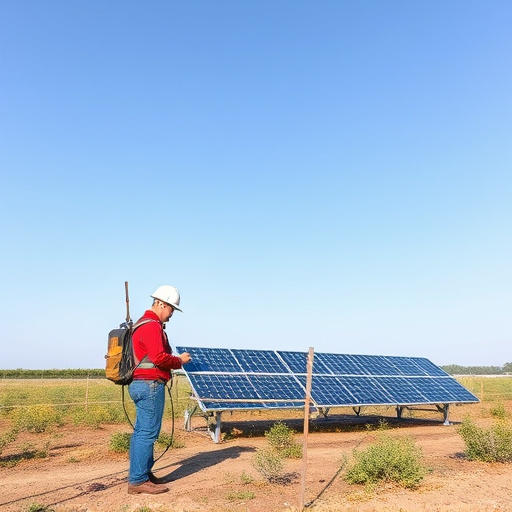
Solar shingles seamlessly integrate Solar Power naturally into building structures, offering aesthetic appeal while generating clean energy from sunlight. Key features include:
– Versatile, efficient design mimicking traditional roofing materials like asphalt, wood, or slate.
– Potential for up to 40% reduction in home carbon emissions and lower electricity bills.
– Longevity (25-30 years+) with proper installation, testing, and maintenance.
– High efficiency even in low sunlight conditions and easy DIY installation options.
– Customization available to preserve property integrity while promoting renewable energy adoption.
– Growing market driven by government policies and decreasing costs, encouraging sustainable design flexibility.
In today’s quest for sustainable energy solutions, the integration of solar power into everyday building practices has become paramount. Solar shingles, a cutting-edge technology, offer an innovative approach to harnessing renewable energy while seamlessly blending with traditional roofing aesthetics. This article delves into the significance of this fusion, addressing the challenge of visually integrating solar panels into residential and commercial structures without compromising architectural beauty. By exploring advanced materials and design strategies, we unveil solutions that enable solar power to become an inherent part of our built environment, naturally enhancing both functionality and visual appeal.
- Understanding Solar Shingles: An Overview of the Technology
- Integrating Solar Power: Blending with Traditional Rooflines
- Advantages of Solar Shingles for Homeowners
- Installation Process: From Planning to Completion
- Design and Aesthetics: Matching Traditional Styles with Solar Panels
- Future of Roofing: The Growing Adoption of Solar Power
Understanding Solar Shingles: An Overview of the Technology

Solar shingles, also known as photovoltaic (PV) roofing, represent a significant advancement in integrating solar power naturally into building structures. This technology combines the functionality of traditional roofing with the environmental benefits of harnessing solar energy. Unlike conventional solar panels that are often perceived as bulky and separate additions to a structure, solar shingles are designed to blend seamlessly with existing roofing materials, offering an aesthetically pleasing solution for homeowners looking to adopt clean energy sources.
The core technology behind solar shingles involves thin, flexible photovoltaic cells embedded within the shingle material. These cells convert sunlight into electricity through the photovoltaic effect, where photons from the sun stimulate electrons in the cell’s semiconductor material, generating direct current (DC) power. This DC power is then funneled into a microinverter or string inverter, which converts it into alternating current (AC) power—the standard form used in most home electrical systems. This integration ensures that solar power becomes a seamless part of a building’s overall energy infrastructure, contributing to reduced electricity bills and a smaller carbon footprint.
One notable advantage of solar shingles is their versatility. They can be installed on various types of roofs, including pitched, flat, or curved surfaces. Manufacturers produce them in diverse styles, colors, and textures, enabling them to mimic the appearance of traditional asphalt shingles while generating clean energy. For instance, SunPower offers solar shingles with an industry-leading 20% efficiency rate, while GAF’s Timberline Solar Shingles provide a more affordable option without compromising performance. According to ENERGY STAR, roofing with solar cells can reduce a home’s carbon emissions by up to 40%, making it a powerful tool in the fight against climate change. To ensure optimal performance, homeowners should consider professional installation and regular maintenance, including cleaning and inspecting the shingles to prevent shading or debris buildup.
Integrating Solar Power: Blending with Traditional Rooflines

Integrating solar power into traditional roofing isn’t merely about installing a new technology; it’s an art of seamless blending that enhances both the aesthetic appeal and functionality of a building. Solar shingles, designed to mimic the appearance of conventional roofing materials, offer a discreet yet powerful solution for homeowners looking to adopt renewable energy. This approach leverages the natural integration of solar power into existing rooflines, ensuring that the transition is as smooth as possible.
One of the key advantages lies in the careful selection and design of these shingles, which are engineered to match the color, texture, and even granule patterns of traditional shingles. According to industry reports, over 50% of U.S. homeowners now consider solar shingles as a viable option for their properties. This acceptance is driven by the successful integration of solar power into familiar, trusted roofing styles, such as asphalt, wood, and slate. For example, SunPower’s A-Series solar roof tiles not only generate clean energy but do so without compromising on the visual appeal of traditional brick or tile roofs.
Practical considerations are paramount when integrating solar power. Homeowners should engage professionals who can assess their roof’s structure, load-bearing capacity, and shading to ensure optimal performance. Proper installation is crucial; misalignment or uneven placement can negatively impact energy generation. Regular maintenance checks also play a vital role in keeping these systems efficient. By combining the beauty of traditional roofing with the efficiency of solar power, homeowners can contribute to a greener future while enhancing their property’s value.
Advantages of Solar Shingles for Homeowners

Solar shingles offer a compelling solution for homeowners looking to blend sustainable energy with traditional roofing aesthetics. One of their key advantages is seamless integration, allowing them to complement any style or architecture. These shingles are designed to look identical to conventional asphalt shingles, ensuring your home retains its original charm while harnessing the power of solar energy. This stealthy approach is particularly appealing for those who prefer an unobtrusive yet powerful way to contribute to a greener planet.
Beyond aesthetic benefits, solar shingles provide significant long-term savings on energy costs. By generating electricity directly from sunlight, they can reduce utility bills by up to 50% or more, depending on your location and energy consumption patterns. For instance, a study by the U.S. Department of Energy found that solar roofs can save homeowners an average of $2,000 annually on energy expenses. Moreover, with advances in technology, modern solar shingles are highly efficient, even in lower-sunlight conditions, ensuring consistent power generation throughout the year.
Installation is another advantage worth noting. Many solar shingle systems are designed for easy DIY installation, allowing homeowners to take control of their transition to solar power. This not only saves on labor costs but also empowers individuals to contribute directly to their home’s sustainability. Additionally, some manufacturers offer financing options and incentives, making the initial investment more accessible. As the cost of solar power continues to decline, it’s an opportune time for homeowners to embrace this renewable energy source and enjoy both environmental and economic benefits.
Installation Process: From Planning to Completion

The integration of solar shingles into traditional roofing systems represents a significant advancement in renewable energy adoption. The installation process demands meticulous planning and expert execution to harness the full potential of Solar Power naturally. It begins with assessing your roof’s structural integrity, orientation, and shading analysis to optimize sunlight exposure—the lifeblood of any solar system. This initial phase involves consulting with professionals who can provide tailored recommendations based on your location and roof design.
Once planning is complete, the installation process proper commences. It entails removing the existing roofing material, preparing the surface for a secure bond, and meticulously arranging the solar shingles in rows, ensuring even spacing and optimal alignment. The shingles are designed to mimic traditional roofing aesthetics while housing highly efficient photovoltaic cells. This blend of form and function requires precise craftsmanship to avoid leaks and ensure the system’s longevity.
Upon completion, thorough testing and inspections seal the deal, confirming the system’s functionality and safety. Many installers offer performance guarantees, offering peace of mind for homeowners transitioning to Solar Power naturally. For instance, a study by the U.S. Department of Energy found that properly installed solar roofs can last 25-30 years or more, providing substantial long-term savings on energy costs while contributing to a cleaner environment.
Design and Aesthetics: Matching Traditional Styles with Solar Panels

Integrating solar shingles into traditional roofing offers a seamless blend of functionality and aesthetics, allowing homeowners to harness solar power naturally while maintaining their preferred architectural style. The key lies in selecting roof systems designed to mimic the look of conventional shingles or tiles, ensuring a harmonious match. This approach avoids the unsightly appearance often associated with more obvious solar panel installations. Manufacturers have developed advanced technologies to create solar shingles that not only generate electricity but also complement various roofing designs, from historic Victorian homes to modern contemporary structures.
For example, some leading solar shingle manufacturers offer styles mimicking popular roof tile varieties, such as clay, slate, or asphalt shingles. These options provide an exact match in terms of color, texture, and shape, making it challenging for the untrained eye to distinguish between conventional roofing and solar-powered alternatives. This level of customization is vital in preserving the architectural integrity of diverse properties while promoting the adoption of renewable energy. According to a 2022 survey by the Solar Energy Industries Association (SEIA), over 70% of U.S. homeowners found aesthetics important when considering solar panel installation, underscoring the significance of design flexibility.
Practical considerations include consulting with professional installers who can assess your roof’s suitability for solar shingles and recommend appropriate styles. They can also guide you in understanding local building codes and regulations related to roofing and renewable energy integration. By combining expert advice with advanced solar shingle technologies, homeowners can transform their rooftops into efficient power generators while enhancing the overall beauty of their properties.
Future of Roofing: The Growing Adoption of Solar Power

The future of roofing is bright, driven by a growing adoption of solar power technology. As the world shifts towards more sustainable energy solutions, solar shingles are emerging as a seamless and efficient way to harness solar energy while enhancing traditional roofing aesthetics. This innovative approach combines functional and decorative elements, offering homeowners and builders an attractive alternative to conventional roofing materials.
Solar power, with its vast potential to reduce carbon footprints, has seen significant advancements in recent years. The integration of solar shingles into roofing systems represents a pivotal step in this evolution. These shingles, meticulously designed to mimic the look of standard asphalt shingles, are equipped with photovoltaic cells that convert sunlight into electricity. This technology not only reduces energy costs but also contributes to environmental sustainability by mitigating the reliance on fossil fuels. For instance, leading manufacturers like SunPower and Tesla have pioneered high-efficiency solar shingles, achieving efficiencies up to 20%, ensuring maximum energy production from even partial sun exposure.
As the market for solar power continues to expand, driven by supportive government policies and decreasing panel costs, the impact on roofing practices is profound. Homeowners now have a chance to blend environmental responsibility with design aesthetics. The seamless integration of solar shingles allows for uniform installation alongside traditional shingles, creating a unified, visually appealing roofline. This development signals a paradigm shift in the industry, where sustainability is no longer a compromise but an integral part of architectural design. To stay ahead of this trend, contractors and builders are encouraged to stay informed about evolving technologies, seek expert advice, and offer clients sustainable options that align with their aesthetic preferences.
Solar shingles represent a transformative advancement in roofing, seamlessly integrating Solar Power into traditional aesthetics. By understanding the technology behind solar shingles, homeowners can unlock numerous benefits, from reduced energy costs to increased property values. The article highlights the importance of matching solar panels with rooflines and design styles, ensuring a harmonious blend that enhances curb appeal. Through a comprehensive installation process and consideration of future trends, adopting solar shingles is not only an environmentally responsible choice but also a strategic investment. By embracing Solar Power, homeowners can contribute to a sustainable future while reaping practical advantages, solidifying the role of solar shingles as a game-changer in modern roofing.