
Homeowners insurance protects against unforeseen events damaging properties, including solar panels vulnerable to extreme weather, debris, and electrical issues. Standard policies may exclude or require riders for solar panel damage. Insurers vary in coverage; homeowners should review policies carefully. Specialized policies are needed for off-grid solar systems. Regular maintenance checks and understanding policy limitations mitigate financial burdens from potential solar panel damage. Promptly document damage and navigate the claims process effectively to safeguard solar power investments.
Homeowners increasingly turn to Solar Power as a sustainable and cost-effective energy solution. However, the integration of solar panels introduces unique challenges when it comes to insurance coverage, particularly concerning potential damage to these high-value assets. This article provides an in-depth exploration of homeowners insurance policies and their ability to safeguard against panel damage, offering valuable insights for both established and prospective solar energy adopters. By delving into policy language, common exclusions, and emerging industry trends, we aim to empower readers with the knowledge needed to make informed decisions regarding their investment in clean energy technologies.
- Understanding Homeowners Insurance Coverage for Solar Panel Damage
- Navigating Claims: Protecting Your Investment with Solar Power Backup
Understanding Homeowners Insurance Coverage for Solar Panel Damage
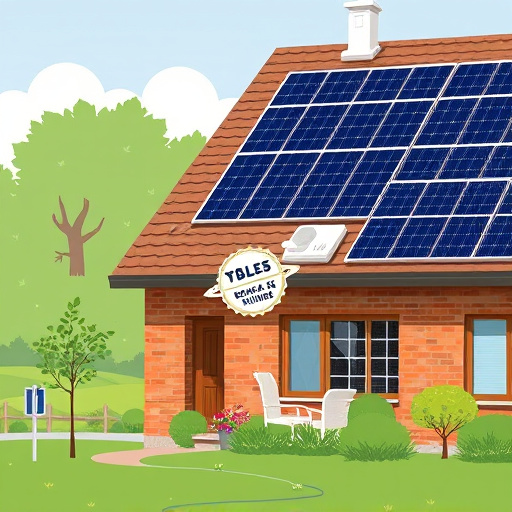
Homeowners insurance is designed to protect against unforeseen events, including damage to one’s property. As solar power becomes increasingly popular, it’s crucial to understand how this renewable energy source interacts with homeowners coverage, particularly when it comes to solar panel damage. Solar panels, while offering environmental and economic benefits, can be susceptible to various perils such as extreme weather events, falling debris, and electrical malfunctions.
Most standard homeowners insurance policies cover damage caused by insured perils, including fire, vandalism, and wind. However, the specific coverage for solar panels is often subject to policy fine print and endorsements. Some insurers may offer comprehensive coverage for solar panel damage, while others might exclude it or require additional riders. It’s essential for homeowners with solar installations to review their policies carefully and ensure they have adequate protection in place.
For instance, a recent study by the Insurance Information Institute (III) revealed that while the majority of U.S. homeowners insurance policies cover damages caused by named storms, which can include hail events frequently damaging solar panels, not all policies extend this coverage to off-grid or standalone solar systems. Homeowners with such systems should consult their insurers or acquire a specialized policy that addresses the unique risks associated with solar power generation and storage. Proactive measures, like regular maintenance checks and staying informed about policy limitations, can help homeowners mitigate potential financial burdens in the event of solar panel damage.
Navigating Claims: Protecting Your Investment with Solar Power Backup

Homeowners insurance is designed to protect your investment, and for those with solar power backup systems, this includes safeguarding against panel damage. Solar Power, by its very nature, makes homes more susceptible to certain types of damage, from extreme weather events to lightning strikes. However, with the right coverage, homeowners can ensure their investments are secured. Navigating claims processes effectively means understanding your policy and being prepared to document any damage accurately.
When filing a claim for solar panel damage, start by reviewing your insurance policy thoroughly. Many standard policies may not cover damages specifically related to renewable energy systems. Look for language regarding “special coverage” or “endorsements” that could expand protection for Solar Power backup systems. For instance, an endorsement like ‘Off-Premises Property’ can extend coverage to solar panels located outside the insured dwelling. If you’re unsure, reach out to your insurance provider for clarification.
Documentation is key when making a claim. Take high-quality photos of the damaged panels and any associated equipment. Keep records of all communications with your insurer and maintain receipts for repairs or replacements. The more comprehensive your documentation, the smoother the claims process will be. Remember, prompt action is crucial; many policies require you to notify the insurance company within a specific timeframe after discovering damage. By staying informed and proactive, homeowners can ensure their solar power investments are protected, even in unforeseen circumstances.
Homeowners insurance plays a crucial role in protecting investments in solar power systems, as illustrated by our exploration of understanding coverage for solar panel damage and navigating claims with backup power. Key takeaways include the importance of reviewing policy fine print to confirm specific coverage for solar panels, understanding deductibles and out-of-pocket expenses, and leveraging backup power features to safeguard against system failures. For homeowners embracing Solar Power, proactively engaging with insurers, staying informed about policy updates, and ensuring comprehensive protection are essential steps to secure peace of mind and maximize the benefits of renewable energy adoption.