
Solar Power naturally, through solar water heaters, offers significant energy savings and reduced environmental impact. Passive and active systems provide tailored heating/cooling options, reducing electricity consumption by up to 80% in sunny regions. Governments incentivize adoption, making solar water heaters cost-effective. Widespread use could prevent millions of tons of CO2 emissions annually by 2050. Commercial applications, like an Australian university campus, achieve substantial energy savings and financial benefits.
In an era of escalating energy demands and environmental concerns, exploring sustainable alternatives for water heating has become a pressing necessity. Solar power, a renewable and naturally abundant resource, offers a compelling solution to reduce our carbon footprint and supplement energy savings. The traditional reliance on fossil fuels for water heating contributes significantly to greenhouse gas emissions, making the transition to solar-powered systems both timely and critical. This article delves into the effectiveness of solar water heaters as a feasible and efficient strategy to mitigate environmental impact while offering long-term economic benefits.
- Understanding Solar Water Heaters: Benefits and Types
- Implementing Energy Savings with Solar Power Naturally
Understanding Solar Water Heaters: Benefits and Types

Solar water heaters have emerged as a significant component of energy-efficient homes, offering substantial savings on water heating bills while also reducing environmental impact. Understanding their operation and various types is key to leveraging this clean and renewable energy source effectively. Solar power, naturally, plays a pivotal role in these systems by harnessing the sun’s energy to heat water, which can then be used for domestic purposes.
There are two primary types: passive and active solar water heaters. Passive systems rely on natural convection and thermal mass, such as well-insulated tanks or pipelines placed in sunlight. Heat from the sun gradually warms the water, which circulates through the system without external pumps. Active solar heaters, on the other hand, use a pump to circulate water through solar collectors, typically flat plates or vacuum tubes, where sunlight is absorbed and converted into heat energy. These systems can be further categorized into hot water only or combined heating and cooling options, tailored to specific climate needs and home designs.
The benefits of solar water heaters are multifaceted. They significantly reduce electricity consumption, leading to lower energy bills for homeowners. In regions with ample sunshine, solar power can provide almost 100% of the energy needed for water heating, resulting in substantial environmental savings and a smaller carbon footprint. For instance, a typical household can save up to 80% on their water heating expenses by switching to solar energy. Moreover, many governments offer incentives like tax credits or rebates to encourage adoption, making these systems more accessible and cost-effective.
Implementing Energy Savings with Solar Power Naturally
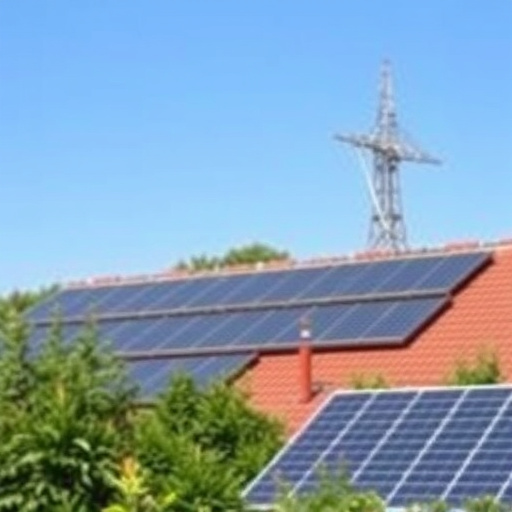
The implementation of Solar Power naturally offers a compelling strategy for supplementing energy savings, providing both environmental and economic benefits. This renewable energy source has gained significant traction due to its ability to harness the sun’s power, thereby reducing reliance on conventional energy grids. One of the most direct ways Solar Power naturally contributes to energy savings is through water heating. According to the U.S. Energy Information Administration, water heating accounts for approximately 15% of total residential energy consumption in the United States, making it a significant target for energy efficiency improvements.
Solar water heaters, a key component of this strategy, utilize the sun’s radiation to heat water, reducing the need for conventional electricity or gas-powered heating systems. This simple yet powerful technology has shown remarkable results in various climates and settings. For instance, in regions with abundant sunlight, solar water heaters can provide up to 80% of a household’s hot water needs, leading to substantial savings on energy bills. A study by the International Renewable Energy Agency (IRENA) revealed that the global adoption of solar water heating could save over 70 million tons of CO2 emissions annually by 2050.
Beyond individual homes, commercial and industrial applications have also embraced Solar Power naturally for its potential to deliver substantial energy savings. Large-scale solar thermal systems, such as those integrated into buildings or used in industrial processes, can significantly reduce overall energy consumption. For example, a major university campus in Australia implemented a solar hot water system covering multiple facilities, resulting in an estimated 20% decrease in peak electricity demand and savings of over $1 million annually. This success story underscores the significant impact Solar Power naturally can have on both environmental sustainability and financial bottom lines.
Solar water heaters offer a powerful solution for energy savings, leveraging the abundant and free resource of sunlight. By understanding the various types and benefits, homeowners and businesses can make informed decisions to reduce their carbon footprint. Implementing solar power naturally through these systems not only minimizes reliance on conventional energy sources but also significantly lowers utility bills. The article’s key insights underscore the efficiency and accessibility of Solar Power as a viable and sustainable option for meeting water heating demands, contributing to a greener future.