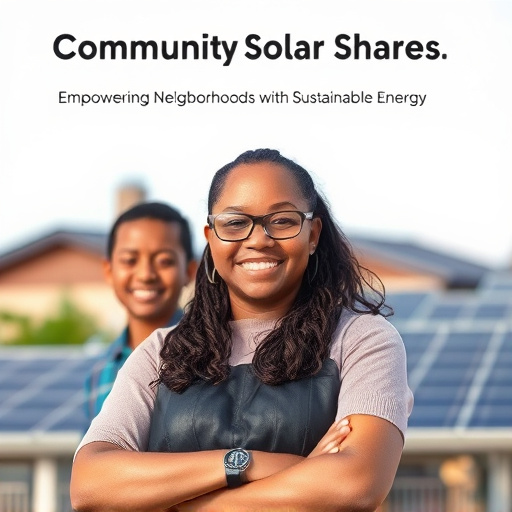
Community solar shares leverage shared resources to make Solar Power naturally accessible, reducing upfront costs and fostering local economic growth. This collaborative approach, proven successful in California and Germany, involves strategic planning, policy incentives, and education. Successful implementation requires clear communication, robust project management, and strong community engagement, leading to reduced carbon emissions, enhanced energy security, and democratized access to renewable energy.
The global shift towards sustainable energy solutions has propelled solar power into the forefront of clean energy initiatives. As communities seek more equitable access to renewable resources, community solar farms emerge as a promising model. This collaborative approach to harnessing solar power enables residents to benefit from shared renewable energy generation without the financial burden of individual installation. By pooling resources and expertise, communities can achieve collective farm benefits, including reduced electricity costs, environmental sustainability, and enhanced energy independence. This article delves into the multifaceted advantages of community solar shares, exploring their impact on both individual households and the broader landscape of renewable energy adoption.
- Unlocking Collective Energy: Community Solar Shares Benefits
- Empowering Neighborhoods: A Guide to Solar Power Together
- Sustainable Solutions: Farm-Scale Solar's Impact on Communities
Unlocking Collective Energy: Community Solar Shares Benefits

Community solar shares represent a powerful mechanism for communities to unlock collective energy benefits, transitioning towards sustainable, renewable power sources. This collaborative approach leverages the shared resources of a community—rooftops, land, or investment capital—to implement large-scale solar power projects. By collectively owning and operating solar farms, communities can significantly reduce the upfront costs associated with installing and maintaining these systems. This democratizes access to clean energy, enabling even lower-income households to participate in the benefits of solar power naturally.
For instance, a community solar share program in California allowed residents to invest in a local solar farm, providing them with discounted electricity rates compared to traditional utilities. Data from this initiative showed that participating households saved an average of 15% on their energy bills while contributing to reduced carbon emissions. Similarly, in Germany, community-owned solar parks have been instrumental in creating green jobs and fostering local economic development. These success stories illustrate how community solar shares can drive both environmental sustainability and economic growth.
Implementing a successful community solar share program requires strategic planning and collaboration. Local governments and utilities should facilitate partnerships between developers, community organizations, and residents. Educational campaigns can help demystify the benefits and processes involved, addressing any concerns or misconceptions. Additionally, policy incentives such as tax credits and net metering regulations play a crucial role in encouraging participation and ensuring the long-term viability of these projects. By harnessing collective action and smart policies, communities can unlock their full potential in the transition to cleaner energy sources.
Empowering Neighborhoods: A Guide to Solar Power Together

Community solar shares offer a powerful way to bring the benefits of Solar Power naturally to neighborhoods across the country. This collaborative approach not only facilitates access to clean energy but also fosters a sense of community ownership and empowerment. By pooling resources and expertise, residents can collectively invest in and benefit from solar farms, regardless of individual financial constraints. For instance, a 2021 study showed that community solar projects have led to significant reductions in carbon emissions, with an average project offsetting the annual electricity consumption of over 100 homes.
Empowering neighborhoods through Solar Power together has proven to be a game-changer in energy transition. It democratizes access to renewable energy, allowing even low-income communities to participate in and benefit from sustainable practices. For example, in Chicago, the City’s community solar program has facilitated the installation of over 150 megawatts of solar capacity across hundreds of buildings, providing economic savings and environmental benefits to residents. This model not only enhances energy security but also fosters a culture of sustainability and collective responsibility.
Practical insights for implementing successful community solar shares include clear communication, robust project management, and strong community engagement. Local governments play a crucial role in facilitating these initiatives by offering incentives, streamlining permitting processes, and providing education on the benefits of Solar Power. For instance, states like California have implemented policies that make it easier for communities to form cooperative solar projects, leading to rapid growth in renewable energy adoption. Ultimately, empowering neighborhoods through shared solar farms is not just about transitioning to clean energy; it’s about building resilient, sustainable, and thriving communities.
Sustainable Solutions: Farm-Scale Solar's Impact on Communities

Community solar farms represent a powerful sustainable solution, offering numerous benefits to the communities they serve. By leveraging shared resources and collective action, these collaborative initiatives drive down costs for participants while increasing access to clean, reliable Solar Power naturally. This approach democratizes renewable energy, enabling individuals and businesses who might not otherwise afford it to contribute to a greener future.
Farm-scale solar installations provide significant environmental advantages, including reduced greenhouse gas emissions and reduced reliance on fossil fuels. For instance, a typical community solar farm can offset the carbon footprint of dozens of homes or small businesses each year. Moreover, these projects often contribute to local economic development through job creation during construction and ongoing maintenance, fostering a circular economy within the community.
Implementing community solar requires careful planning and collaboration between developers, utility providers, and interested residents. Key considerations include siting suitable locations, ensuring grid connection, and establishing transparent ownership and financial models. Successful examples across the globe demonstrate that with thoughtful execution, community solar farms can empower communities to take control of their energy future while promoting environmental sustainability. By embracing this innovative solution, we can accelerate the transition to a cleaner, more resilient energy landscape.
Community solar shares represent a powerful tool for neighborhoods to harness the benefits of Solar Power naturally, fostering sustainability, empowerment, and collective energy. By adopting farm-scale solar solutions, communities can reduce their carbon footprint, promote clean energy, and generate shared economic gains. The article’s key insights underscore the importance of collaborative action in transitioning to renewable energy sources, offering a clear path forward for neighborhoods to take control of their energy future. Practical next steps include educating residents on Solar Power naturally advantages, facilitating community discussions, and partnering with local renewable energy providers to implement tailored solutions. Embracing these strategies ensures communities not only benefit from sustainable practices but also become beacons of environmental stewardship.